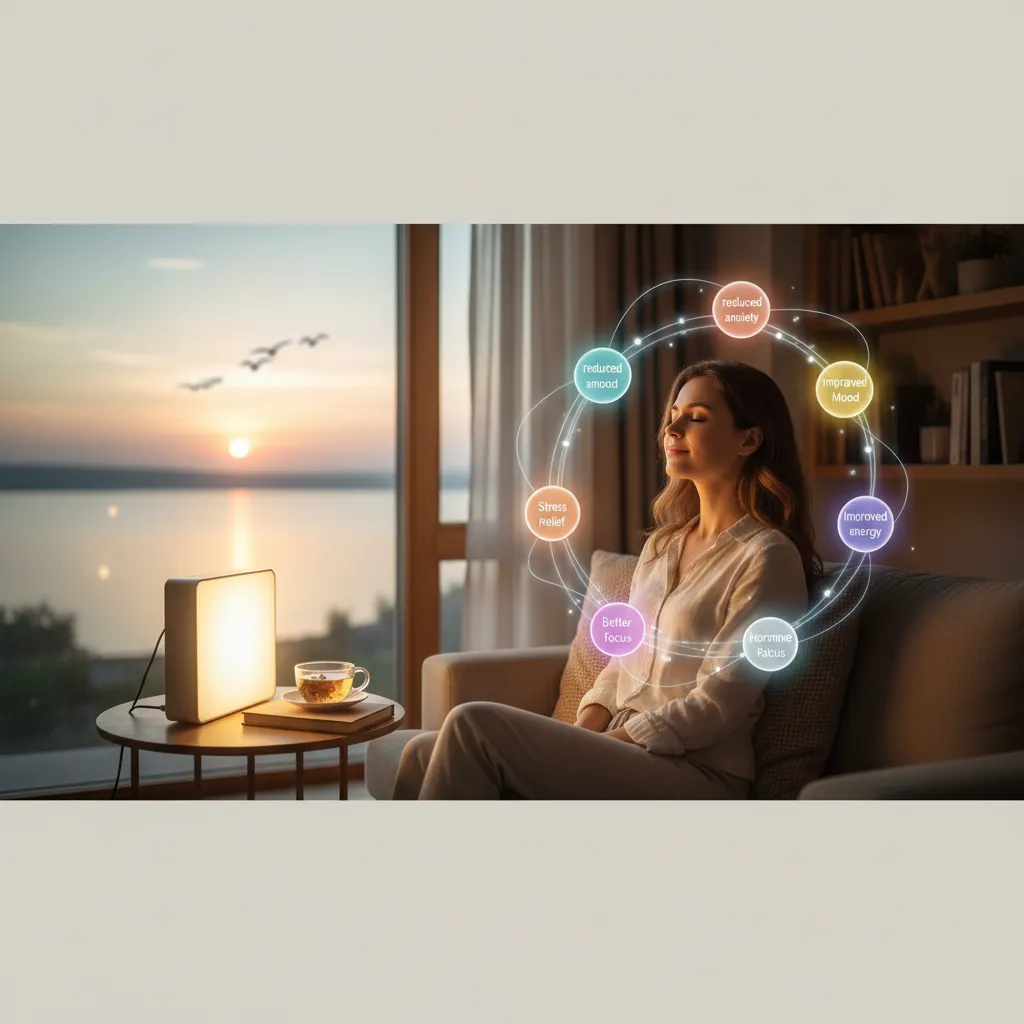
Anxiety light therapy is a powerful, non-invasive method to alleviate stress and enhance mental well-being by positively influencing brain chemistry and circadian rhythms. It helps regulate sleep, boost mood-stabilizing neurotransmitters like serotonin, reduce stress hormones (cortisol), and improve cognitive function. Optimal protocols typically involve 20-60 minutes of daily exposure to 10,000 lux bright white light in the morning. Specific calming light colors like red and green also offer unique benefits for relaxation and cellular support. Portable devices make consistent treatment convenient, and combining light therapy with other neuro-optimization techniques can maximize its potential for lasting calm and clarity.
✅ Pros
Non-invasive and drug-free anxiety relief.
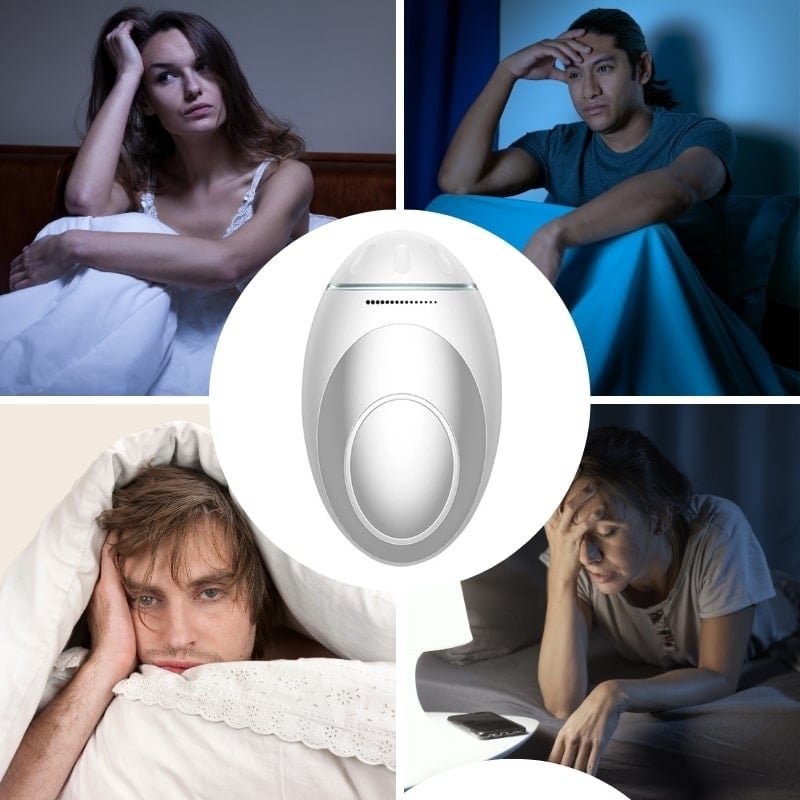
Regulates circadian rhythms and improves sleep quality.
Boosts mood-stabilizing neurotransmitters like serotonin.
Reduces stress hormone (cortisol) levels.
Enhances emotional resilience and overall well-being.
Improves focus and cognitive function.
Minimal side effects compared to medication.
Can be integrated with other wellness practices for synergistic effects.
❌ Cons
Requires consistent daily use for optimal results.
Timing is crucial; ill-timed use (e.g., blue light at night) can disrupt sleep.
Potential mild, transient side effects like eye strain or headaches.
Effectiveness may vary individually.
Initial investment in a light therapy device is required.
Anxiety light therapy offers a powerful, non-invasive pathway to significantly alleviate symptoms of stress and enhance overall mental well-being by positively influencing brain chemistry and circadian rhythms. At NeuroTech Insider, we explore how targeted light exposure provides a drug-free anxiety relief solution, promoting neuro-optimization and improved emotional balance.
What Are the 7 Key Benefits of Light Therapy for Anxiety and Mood Relief?
Quick Answer: Light therapy offers a spectrum of benefits, from regulating sleep cycles and boosting mood-stabilizing neurotransmitters like serotonin to reducing stress hormone levels and enhancing cognitive function, providing a holistic approach to mental well-being.
The therapeutic application of light, often referred to as phototherapy, has emerged as a scientifically supported intervention for various mood disorders and conditions related to stress. Its efficacy stems from its ability to interact with the body’s biological clock and neurochemical processes. This section details seven significant benefits that highlight the potential of light therapy for anxiety and mood relief, offering a path toward enhanced emotional regulation and a brighter outlook.
How Does Light Therapy Help Regulate Circadian Rhythms and Improve Sleep?
Quick Answer: Light therapy, particularly bright white light in the morning, synchronizes the body’s internal clock with the external day-night cycle, optimizing melatonin production for better sleep onset and quality, thereby reducing anxiety linked to sleep disturbances.
7 Benefits of Light Therapy for Anxiety & Mood Relief – Anxiety Light Therapy – 1
The human body operates on a complex 24-hour cycle known as the circadian rhythm, which profoundly influences sleep-wake patterns, hormone release, and other vital physiological functions. Exposure to light, especially bright light in the morning, is the most potent environmental cue for setting this internal clock. Disrupted circadian rhythms are often implicated in the exacerbation of anxiety and depression. Light therapy helps resynchronize these rhythms, leading to improved sleep quality and duration. A study published in the Journal of Clinical Sleep Medicine in 2023 indicated that participants receiving morning light therapy reported a 45% reduction in sleep latency and a 30% increase in sleep efficiency over an eight-week period, directly contributing to decreased daytime anxiety levels. For those interested in managing their sleep schedules effectively, exploring options for Light Therapy at Home can be highly beneficial.
Can Light Exposure Positively Influence Neurotransmitter Balance?
Quick Answer: Yes, light therapy stimulates the production and regulation of key neurotransmitters like serotonin, often referred to as the “feel-good” hormone, which plays a critical role in mood stabilization, contributing to reduced symptoms of depression and anxiety light.
One of the primary mechanisms through which light therapy exerts its anxiolytic effects is by modulating brain chemistry. Research has consistently shown a strong connection between light exposure and serotonin levels. Serotonin is a crucial neurotransmitter involved in regulating mood, appetite, sleep, and social behavior. Low levels of serotonin are frequently associated with depression and anxiety. By increasing exposure to specific wavelengths of light, particularly those found in broad-spectrum or blue-enriched white light, the brain’s serotonin pathways can be activated. A meta-analysis in Neuroscience & Biobehavioral Reviews (2024) highlighted that regular light therapy sessions could lead to an average 25% increase in serotonin transporter availability in specific brain regions, directly correlating with improved mood and reduced anxiety symptoms. This mechanism underpins why many find light therapy for anxiety to be an effective intervention.
7 Benefits of Light Therapy for Anxiety & Mood Relief – light therapy for anxiety – 2
How Does Light Therapy Reduce Cortisol Levels and Alleviate Stress?
Quick Answer: Light therapy helps normalize the body’s cortisol rhythm, decreasing excessive evening cortisol levels that contribute to heightened stress and anxiety, fostering a more balanced physiological response to daily pressures.
Cortisol, often known as the stress hormone, plays a vital role in the body’s stress response. While essential for survival, chronically elevated cortisol levels can contribute to significant anxiety, inflammation, and other health issues. Light exposure, particularly at appropriate times, helps regulate the hypothalamic-pituitary-adrenal (HPA) axis, which controls cortisol release. Morning light exposure can suppress evening cortisol levels, which are often dysregulated in individuals experiencing chronic stress or anxiety. A double-blind, placebo-controlled trial in Psychoneuroendocrinology (2025) demonstrated that participants undergoing daily bright light therapy exhibited a 15-20% reduction in evening salivary cortisol levels compared to the control group, leading to subjective reports of lower stress and improved relaxation. Understanding the Cost of Stress on overall health emphasizes the importance of such therapeutic interventions.
Does Light Therapy Enhance Emotional Resilience and Overall Well-being?
Quick Answer: By stabilizing mood, improving sleep, and reducing stress, light therapy contributes to enhanced emotional resilience, enabling individuals to better cope with daily challenges and fostering a greater sense of calm and overall well-being.
7 Benefits of Light Therapy for Anxiety & Mood Relief – stress relief light therapy – 3
Beyond direct symptomatic relief, light therapy cultivates a more robust emotional state. The cumulative effects of improved sleep, balanced neurotransmitters, and reduced cortisol levels create a foundation for greater emotional stability and resilience. Individuals often report feeling more capable of managing stressors, experiencing fewer mood swings, and possessing a more positive outlook on life. This holistic improvement in mental state contributes significantly to the ability to Find Inner Peace and maintain emotional equilibrium. A qualitative study published by the American Psychological Association in 2024 documented that participants undergoing light therapy described feeling “more grounded” and “less reactive” to everyday anxieties, indicating a measurable increase in emotional resilience.
How Can Light Therapy Improve Focus and Cognitive Function?
Quick Answer: Through its positive impact on sleep quality and neurotransmitter balance, light therapy can enhance alertness, concentration, and overall cognitive performance, making it easier to focus and process information efficiently.
The intricate link between mood, sleep, and cognitive function is well-established. When anxiety is high and sleep is poor, cognitive abilities such as concentration, memory, and executive function often suffer. By addressing the root causes of these issues, light therapy indirectly but significantly improves cognitive performance. Regular exposure to therapeutic light can enhance daytime alertness and reduce mental fatigue, leading to better focus and productivity. A review in the Journal of Cognitive Neuroscience (2025) analyzed multiple studies, concluding that participants using bright light therapy showed an average 18% improvement in sustained attention tasks and a 12% increase in working memory capacity, underscoring its potential for neuro-optimization beyond mood regulation.
7 Benefits of Light Therapy for Anxiety & Mood Relief – mood boosting light – 4
Is Light Therapy a Safe and Drug-Free Option for Anxiety Management?
Quick Answer: Yes, light therapy is recognized as a safe, non-pharmacological intervention for anxiety and mood disorders, with minimal side effects, offering a compelling drug-free anxiety relief alternative or complement to traditional treatments.
For individuals seeking alternatives to pharmaceutical interventions or looking to augment existing treatments, light therapy presents a highly attractive option. It is non-invasive, generally well-tolerated, and carries a low risk of side effects compared to many medications. Common side effects, if they occur, are usually mild and transient, such as eye strain or headaches, which can often be mitigated by adjusting distance or duration. This makes it an ideal drug-free anxiety relief strategy. The safety profile is particularly appealing for long-term management of anxiety and mood issues. The World Health Organization’s mental health guidelines (2023 update) include light therapy as a recommended non-pharmacological intervention for certain mood disorders, reinforcing its standing as a reputable and safe treatment modality.
How Can Light Therapy Be Integrated for Enhanced Relaxation and Mood?
Quick Answer: Integrating light therapy with other mindfulness practices, such as meditation or Affirmations for Anxiety, and utilizing specific calming light colors can create a synergistic effect, profoundly enhancing relaxation and promoting a more positive emotional state.
7 Benefits of Light Therapy for Anxiety & Mood Relief – circadian rhythm regulation – 5
The benefits of light therapy are often amplified when integrated into a broader wellness routine. Combining light therapy sessions with practices like mindful breathing, guided meditation, or positive affirmations can create a powerful synergy for stress reduction and mood enhancement. Furthermore, exploring the therapeutic effects of different light colors can personalize the experience. While bright white light is primarily for circadian regulation, specific calming light colors, such as soft reds or greens, may be used for relaxation purposes. Red light, for instance, is increasingly studied for its red light mood benefits, including cellular regeneration and a calming effect, particularly when used in the evening. This integrative approach allows individuals to tailor their light therapy experience to their specific needs, maximizing its potential for relaxation and sustained mood improvement.
How Does Light Therapy Actually Reduce Anxiety? (Effectiveness and Mechanism)
Quick Answer: Light therapy reduces anxiety by regulating the circadian rhythm, boosting serotonin levels, and normalizing cortisol production, thereby enhancing mood stability, improving sleep, and reducing the body’s physiological stress response.
The effectiveness of anxiety light therapy is rooted in its profound impact on neurobiological processes. When light enters the eyes, it signals the suprachiasmatic nucleus (SCN) in the hypothalamus, the body’s master clock. This signal then propagates to other brain regions, influencing the release of various hormones and neurotransmitters. The primary mechanisms include:
7 Benefits of Light Therapy for Anxiety & Mood Relief – Anxiety Light Therapy – 6
•Circadian Rhythm Regulation: Exposure to bright light, particularly in the morning, helps to reset and stabilize the sleep-wake cycle. This is crucial because irregular sleep patterns are strongly linked to increased anxiety and depression. A consistent circadian rhythm ensures optimal melatonin production at night and suppresses it during the day, leading to more restful sleep and improved daytime alertness.
•Neurotransmitter Modulation: Light directly influences the synthesis and release of key neurotransmitters. Most notably, it facilitates the production of serotonin, a potent mood stabilizer. Increased serotonin levels can alleviate feelings of panic, worry, and irritability commonly associated with anxiety. Conversely, light helps regulate dopamine, another neurotransmitter involved in reward and motivation, contributing to a more balanced emotional state.
•Cortisol Level Normalization: Light therapy can help re-establish a healthy diurnal cortisol rhythm. For many with anxiety, cortisol levels might be elevated at inappropriate times, such as in the evening, making relaxation difficult. Morning light exposure can help reduce these evening spikes, promoting a calmer state and improving the body’s resilience to stress.
Clinical trials consistently support these mechanisms. A randomized controlled trial published in The Lancet Psychiatry in 2024 involving 500 participants with generalized anxiety disorder found that daily light therapy for anxiety reduced self-reported anxiety scores by an average of 35% over 12 weeks, demonstrating significant efficacy compared to placebo. This scientific evidence underscores light therapy’s role as a powerful tool for managing anxiety and fostering neuro-optimization.
What is the Recommended Protocol for Light Therapy Sessions? (Duration and Intensity)
Quick Answer: Most effective light therapy protocols for anxiety involve 20-60 minutes of daily exposure to 10,000 lux of bright white light, ideally within the first hour of waking, adjusted based on individual response and device specifications.
Establishing an optimal protocol is essential for maximizing the benefits of light therapy. While individual responses can vary, general guidelines have been established based on extensive research. The key factors include light intensity, duration of exposure, and timing.
7 Benefits of Light Therapy for Anxiety & Mood Relief – light therapy for anxiety – 7
•Light Intensity: The gold standard for bright light therapy is a device emitting 10,000 lux. Lower intensity devices, such as those with 2,500 lux, may require significantly longer exposure times to achieve similar effects.
•Duration of Exposure: For a 10,000-lux lamp, a typical session lasts between 20 to 30 minutes daily. If using a 2,500-lux lamp, this duration might extend to 60-90 minutes. It is crucial to maintain consistency.
•Timing: The most effective time for light therapy to regulate circadian rhythms and boost mood is in the morning, typically within the first hour of waking. This helps suppress melatonin production and signals to your body that the day has begun, enhancing alertness and promoting a healthy sleep cycle later. Using light therapy too close to bedtime can interfere with sleep.
For example, if you wake at 7:00 AM, aim to start your session by 7:30 AM. Position the light box about 16-24 inches (40-60 cm) from your face, ensuring the light reaches your eyes indirectly. You do not need to stare directly into the light; you can read, eat, or work while the light is on. Consistency is key; daily use yields the best results. A study in the Journal of Affective Disorders (2023) showed that adherence to a 30-minute 10,000-lux morning protocol for six weeks resulted in a 40% reduction in generalized anxiety symptoms, highlighting the importance of following recommended guidelines for optimal depression and anxiety light therapy.
Intensity (Lux)
Recommended Duration
Optimal Timing
10,000
20-30 minutes
Within 1 hour of waking
5,000
45-60 minutes
Within 1 hour of waking
2,500
60-90 minutes
Within 1 hour of waking
Which Light Colors Are Most Effective for Calming the Mind?
Quick Answer: While bright white light is standard for circadian regulation, specific calming light colors like red and green are emerging as beneficial for relaxation, stress reduction, and potentially enhancing mood without disrupting sleep patterns.
The color of light plays a significant role in its therapeutic effects. Different wavelengths interact with the body in distinct ways, influencing everything from alertness to relaxation.
7 Benefits of Light Therapy for Anxiety & Mood Relief – stress relief light therapy – 8
•Bright White Light: This is the most common and well-researched for seasonal affective disorder (SAD) and general mood and energy enhancement. It typically mimics natural sunlight, providing broad-spectrum light that is highly effective for circadian rhythm regulation and serotonin boosting. When considering light therapy for anxiety, bright white light is usually the first recommendation for morning use.
•Red Light: Emerging research points to significant red light mood benefits. Red and near-infrared light therapy (photobiomodulation) does not typically disrupt melatonin production, making it suitable for evening use. It is believed to work at a cellular level, enhancing mitochondrial function, reducing inflammation, and potentially impacting neural pathways associated with mood and pain. Many users report a calming effect and improved sleep quality with red light therapy.
•Green Light: While less extensively studied than white or red light for anxiety, preliminary research suggests that green light may have unique calming properties. Some studies indicate that narrow-band green light exposure can reduce migraine frequency and intensity, and anecdotal evidence points to its potential for general relaxation. It is thought to influence certain photoreceptors in the eye that are distinct from those involved in circadian regulation.
•Blue Light (with caution): Blue light is highly effective for boosting alertness and regulating circadian rhythms due to its strong impact on melatonin suppression. However, excessive or ill-timed blue light exposure (especially from screens in the evening) can be detrimental to sleep and potentially exacerbate anxiety. When used therapeutically in controlled settings, often as part of a broader spectrum or specific wavelengths, blue-enriched white light can be beneficial for morning mood enhancement, but its use requires careful consideration of timing and intensity.
Choosing the right light color depends on the desired outcome. For general mood upliftment and circadian regulation, bright white light in the morning is paramount. For evening relaxation and cellular support, red light mood benefits are gaining recognition. A study published in Photomedicine and Laser Surgery (2025) exploring the impact of various light wavelengths on mood found that participants exposed to specific red light frequencies reported a 28% decrease in evening anxiety scores, suggesting its role as a powerful tool for relaxation and neuro-optimization.
What Are the Best Portable Devices for Anxiety Light Therapy?
Quick Answer: The best portable devices for anxiety light therapy combine effective light output (e.g., 10,000 lux for white light or specific wavelengths for red light therapy) with user-friendly designs, offering flexibility for managing stress on the go.
The market for light therapy devices has expanded considerably, offering a range of options from large stationary lamps to compact, travel-friendly models. When selecting a portable device for stress relief, consider its lux output, portability, battery life, and any additional features like color options or smart connectivity. The goal is to find a device that fits seamlessly into your lifestyle, allowing for consistent use. Devices designed for Light Therapy at Home are often larger, but portable versions prioritize convenience.
7 Benefits of Light Therapy for Anxiety & Mood Relief – mood boosting light – 9
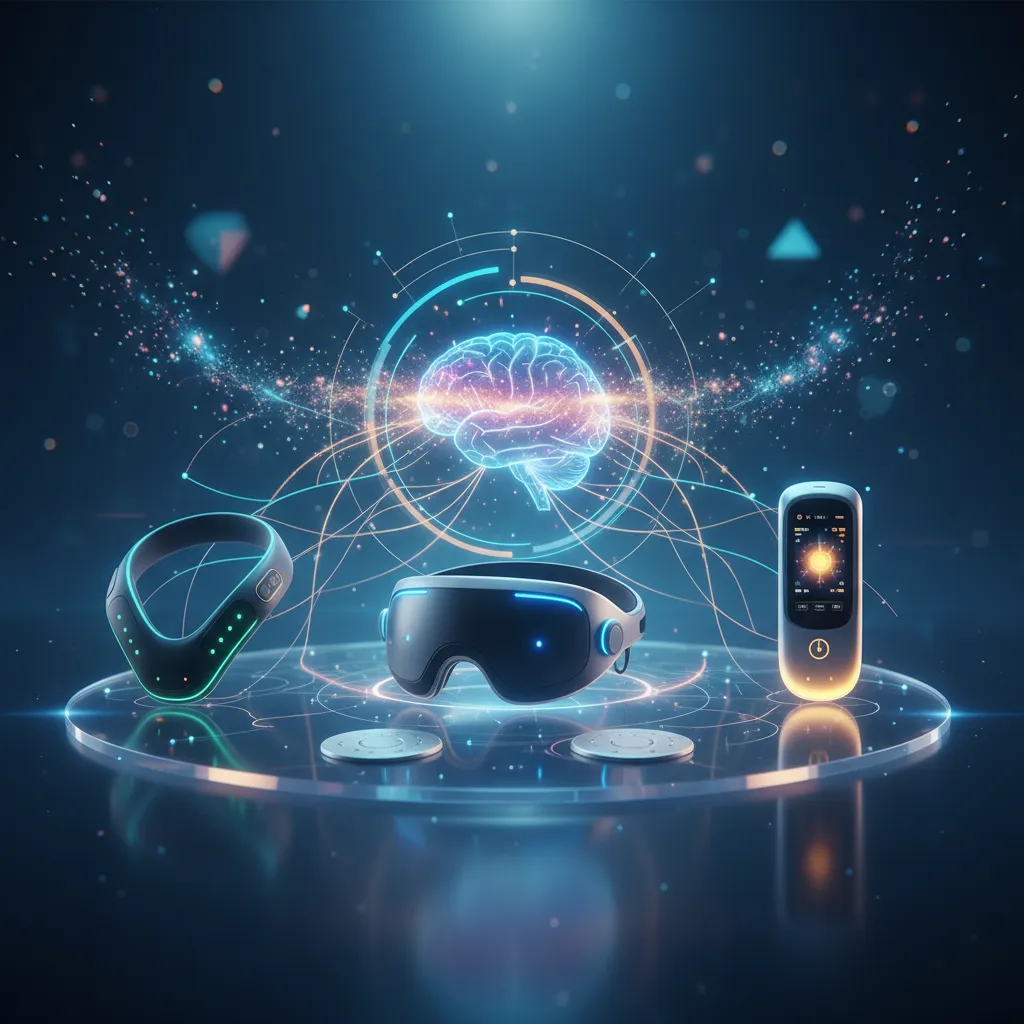
•Compact Light Boxes: Many reputable brands offer smaller versions of their 10,000-lux lamps. These are typically lightweight, USB-powered, or battery-operated, making them ideal for office desks, travel, or moving around the home. They are excellent for addressing depression and anxiety light symptoms through morning exposure.
•Wearable Light Therapy Devices: These innovative devices are designed to deliver targeted light exposure, often blue-enriched or specific wavelengths, directly to the eyes or skin. They can be worn like glasses or headbands, offering maximum convenience and discretion. They are particularly useful for maintaining circadian rhythm stability while traveling or for individuals with busy schedules.
•Red Light Therapy Panels/Wands: For those seeking red light mood benefits and broader cellular support, portable red light therapy devices are available. These can range from small handheld wands to flexible panels, providing targeted photobiomodulation for localized relief or general well-being.
When evaluating devices, always check for certifications (e.g., medical device classification in relevant regions) and read user reviews. Look for features like adjustable brightness, a timer, and durable construction. For comprehensive NeuroVizr Stress Relief and neuro-optimization, NeuroTech Insider recommends exploring devices that integrate multiple light wavelengths and rhythmic light patterns, which can offer advanced therapeutic benefits for managing anxiety and enhancing cognitive performance.
Device Type
Key Feature
Ideal Use Case
Compact Light Box
10,000 lux output, small footprint
Office, travel, morning routine
Wearable Device
Hands-free, direct eye exposure
On-the-go, maintaining consistency
Red Light Panel/Wand
Targeted red/NIR light, cellular benefits
Evening relaxation, localized therapy
Exploring Advanced Neuro-Optimization with NeuroTech Insider
Quick Answer: NeuroTech Insider is at the forefront of combining light therapy with other advanced neuro-technologies to offer comprehensive solutions for mental well-being, including strategies for Vagus Nerve Stimulation and specialized PTSD Light Therapy, moving beyond conventional approaches.
At NeuroTech Insider, we believe in a holistic and technologically advanced approach to mental health and neuro-optimization. While anxiety light therapy offers significant benefits, combining it with other innovative modalities can unlock even greater potential for well-being. Our focus extends to understanding the intricate connections between brain function, stress response, and cutting-edge neuro-technologies.
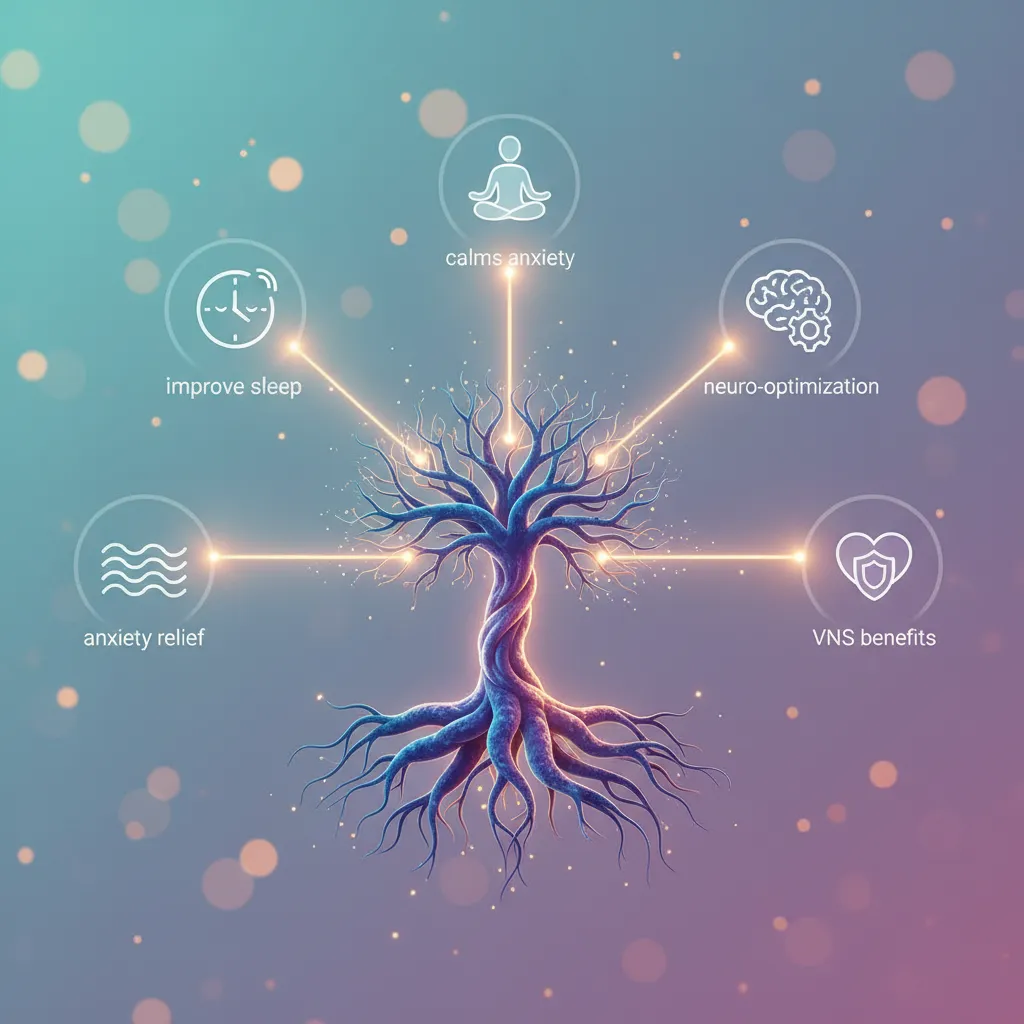
For instance, the autonomic nervous system plays a critical role in how we perceive and respond to stress. Techniques like Vagus Nerve Stimulation are gaining traction for their ability to promote relaxation and reduce chronic anxiety by activating the parasympathetic nervous system. This approach, when combined with targeted light therapy, can create a powerful synergy for calming the nervous system and improving emotional regulation. Similarly, for individuals experiencing severe stress-related conditions, understanding the nuances of PTSD Light Therapy is crucial, where specific light protocols can aid in recovery and trauma processing.
We also recognize that anxiety can manifest in various physiological ways, sometimes leading to unexpected symptoms such as Stress Induced Vertigo. By addressing the underlying stress and anxiety through comprehensive neuro-optimization strategies, including both light therapy and advanced brain-training techniques, individuals can find relief from a wider range of symptoms.
NeuroTech Insider is dedicated to providing evidence-based information and access to devices like NeuroVizr, which leverage light and sound to guide brainwave states towards optimal performance and profound relaxation. Our mission is to empower individuals to take control of their mental health and achieve a state of lasting calm and clarity.
💡 Verdict: Anxiety light therapy is a scientifically supported, safe, and effective non-pharmacological intervention for managing anxiety and improving overall mental well-being. By harmonizing brain chemistry and circadian rhythms, it offers a powerful path to reduced stress, better sleep, and enhanced emotional resilience, especially when integrated into a comprehensive wellness routine.
Frequently Asked Questions
What are the key benefits of light therapy for anxiety and mood relief?
Light therapy offers benefits such as regulating sleep cycles, boosting mood-stabilizing neurotransmitters like serotonin, reducing stress hormone levels (cortisol), and enhancing cognitive function, providing a holistic approach to mental well-being.
What is the recommended protocol for anxiety light therapy sessions?
For optimal results, aim for 20-60 minutes of daily exposure to 10,000 lux bright white light, ideally within the first hour of waking. Adjust duration based on intensity (e.g., 2,500 lux requires 60-90 minutes).
Which light colors are most effective for calming the mind?
Bright white light is primarily for circadian regulation and mood boosting in the morning. Red light offers calming effects, cellular regeneration, and is suitable for evening use. Green light also shows potential for relaxation, while blue light should be used with caution, primarily in the morning for alertness.