Infrared light therapy is generally safe for healthy tissues, unlike harmful UV radiation, and does not cause cancer. It should be avoided over active malignant tumors due to its cellular stimulatory effects. However, it offers significant benefits for cancer patients in supportive care, alleviating side effects like oral mucositis, pain, and fatigue. Scientific evidence consistently supports its safety and therapeutic applications for overall well-being, neuro-optimization, and recovery. Oncologist guidance is crucial for safe integration into cancer treatment plans.
✅ Pros
Generally safe for healthy tissues, non-ionizing radiation.
Can alleviate severe side effects of cancer treatments (e.g., oral mucositis, pain, lymphedema, fatigue).
Promotes cellular repair, increased ATP production, and reduced oxidative stress.
Versatile therapeutic applications beyond oncology, including neuro-optimization, pain relief, muscle recovery, and improved skin health.
Supported by scientific evidence and FDA clearances for various uses.
❌ Cons
Should be avoided over areas with active malignant tumors or suspicious lesions.
Potential for theoretical promotion of tumor growth if applied directly to cancerous cells.
Requires careful consideration and oncologist consultation for cancer patients.
Some chemotherapy agents can induce photosensitivity, requiring caution.
Cancer Infrared Light therapy has garnered significant attention for its potential therapeutic benefits, yet questions about its safety, particularly regarding cancer risk, are common concerns for individuals seeking neuro-optimization and enhanced well-being. At NeuroTech Insider, we provide evidence-based insights into how specific wavelengths of infrared light, often distinct from harmful UV radiation, are generally considered safe and can even support cellular health and recovery.
What Are the 3 Critical Safety Facts Regarding Infrared Light and Cancer Risk?
Quick Answer: Infrared light is distinct from harmful UV radiation, posing no cancer risk in healthy tissue. However, its use requires careful consideration in cases of active malignant tumors, and it shows promise in managing certain cancer treatment side effects like mucositis.
Understanding the interaction between infrared light and human biology, especially in the context of oncological health, is crucial for anyone considering this therapeutic modality. The three critical safety facts help to clarify its role, debunk common myths, and highlight its potential applications.
Is Infrared Light the Same as Harmful UV Radiation?
Quick Answer: No, infrared light is fundamentally different from ultraviolet (UV) radiation. Unlike UV light, which can damage DNA and increase cancer risk, infrared light is non-ionizing and does not possess the energy to cause cellular mutations or directly initiate cancer formation.
A prevalent misconception is that all forms of light carry the same risks. This is incorrect. The electromagnetic spectrum encompasses a vast range of wavelengths, each interacting with biological tissue in unique ways. Ultraviolet (UV) light, particularly UVA and UVB, is a high-energy, ionizing radiation known to penetrate skin cells, cause DNA damage, and contribute significantly to skin cancer development. This is why sunscreen and protective clothing are recommended for sun exposure.
3 Critical Safety Facts: Infrared Light & Cancer Risk – Cancer Infrared Light – 1
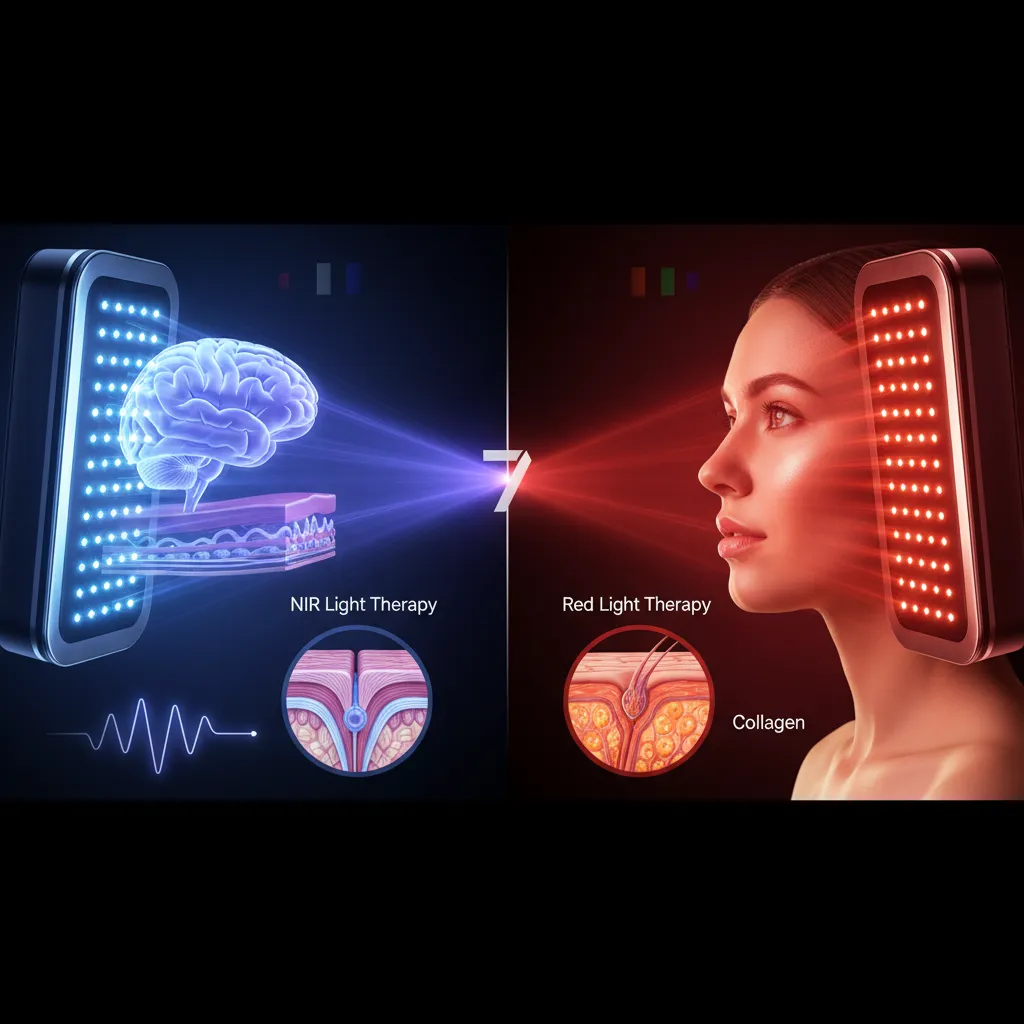
In contrast, infrared (IR) light, which includes near-infrared (NIR) and far-infrared wavelengths, occupies a lower energy segment of the spectrum. It is classified as non-ionizing radiation, meaning it does not have sufficient energy to remove electrons from atoms or molecules, a process critical for causing DNA mutations. Instead, NIR Light Therapy primarily interacts with cellular components, particularly mitochondria, to stimulate metabolic processes. Studies indicate that wavelengths typically used in red light therapy cancer safety protocols, ranging from 600 nm to 1000 nm, are well-tolerated and do not induce carcinogenic effects in healthy cells. For example, a comprehensive review published in Lasers in Medical Science in 2017 emphasized that low-level light therapy, including IR, is safe for various therapeutic applications without evidence of inducing carcinogenesis.
The primary mechanism of action for infrared light involves stimulating cytochrome c oxidase within the mitochondria, leading to increased ATP production, enhanced cellular repair, and reduced oxidative stress. This contrasts sharply with UV light, which induces reactive oxygen species that overwhelm cellular defenses and lead to damage. Therefore, the concern that can infrared light cause cancer is largely unsubstantiated by scientific understanding of its biophysical properties and extensive research in photobiomodulation (PBM).
Understanding the Light Spectrum: UV vs. IR
Characteristic
Ultraviolet (UV) Light
Infrared (IR) Light
Wavelength Range
10 nm – 400 nm
700 nm – 1 mm
Energy Level
High (Ionizing)
Low (Non-ionizing)
Cellular Interaction
DNA damage, mutations
Mitochondrial stimulation, ATP production
Cancer Risk
Increases risk (e.g., skin cancer)
Generally considered safe, no direct link to cancer initiation
Therapeutic Use
Limited, controlled medical applications (e.g., phototherapy for psoriasis)
Wide range, including pain relief, wound healing, neuro-optimization
When Should Infrared Light Therapy Be Avoided, Especially with Cancer?
Quick Answer: Infrared light therapy should generally be avoided over areas with active malignant tumors or suspicious lesions, as its stimulatory effects on cellular metabolism could theoretically promote tumor growth or proliferation. Always consult an oncologist before starting light therapy if you have a cancer diagnosis.
While infrared light is safe for healthy tissues, a key consideration for infrared contraindications involves its use in the presence of active cancer. The mechanism by which IR light promotes healing and regeneration in healthy cells—by boosting mitochondrial activity and cellular proliferation—is precisely why caution is advised around malignant tumors. Cancer cells are characterized by uncontrolled growth and proliferation. Applying a therapy that enhances cellular energy and division could, in theory, inadvertently accelerate tumor progression. This area is still under active research within oncology and light therapy.
Current guidelines from leading medical bodies often recommend avoiding direct application of light therapy to areas with known or suspected malignancy. This precautionary principle is vital to ensure patient safety. For example, if a patient has a skin lesion that has not been diagnosed, or an internal tumor, direct exposure to infrared light therapy devices should be avoided in that specific region. It is always best practice for individuals with a cancer history or an active diagnosis to discuss any complementary therapies, including light therapy, with their treating oncologist. This ensures that the chosen therapy aligns with their overall treatment plan and does not interfere with conventional cancer treatments.
Furthermore, certain conditions or medications associated with cancer treatment might make individuals more sensitive to light or heat. For instance, some chemotherapy agents can induce photosensitivity. In such cases, even non-ionizing radiation like infrared light could potentially cause adverse reactions if not properly managed. A thorough medical history and ongoing communication with healthcare providers are indispensable for safe and effective use of light therapy. For a broader understanding of when light therapy may not be suitable, explore our detailed guide on Light Therapy Contraindications.
How Can Infrared Light Therapy Offer Benefits for Cancer Patients?
Quick Answer: Infrared light therapy can serve as a valuable supportive treatment for cancer patients by alleviating common side effects of conventional therapies, such as reducing pain, inflammation, and significantly improving conditions like oral mucositis, thereby enhancing quality of life.
3 Critical Safety Facts: Infrared Light & Cancer Risk – Red Light Therapy Cancer – 3
Beyond the safety considerations, infrared light therapy, specifically low-level laser therapy (LLLT) or photobiomodulation (PBM), has demonstrated significant promise in the supportive care of cancer patients. Its anti-inflammatory, analgesic, and tissue-regenerative properties can effectively mitigate some of the debilitating side effects associated with chemotherapy and radiation therapy. This is a crucial area of oncology and light therapy research, focusing on improving patient comfort and recovery.
One of the most well-researched applications is in the management of oral mucositis, a painful inflammation and ulceration of the mucous membranes in the mouth, which is a common and severe side effect of chemotherapy and head and neck radiation therapy. A meta-analysis published in the Journal of Clinical Oncology in 2019 concluded that LLLT significantly reduces the incidence and severity of oral mucositis in cancer patients. For example, studies often show a reduction in WHO mucositis scale scores by 1-2 points and a decrease in pain levels by 30-50% when using specific best red light wavelengths (e.g., 660 nm to 830 nm) at doses typically ranging from 2-4 J/cm² per session.
Other potential benefits include:
•Pain Management: Infrared light can help alleviate neuropathic pain and musculoskeletal pain often experienced by cancer patients, acting on nerve endings and reducing inflammation.
•Lymphedema Reduction: Some research suggests that light therapy may aid in reducing swelling and discomfort associated with lymphedema, a common complication after lymph node dissection.
•Wound Healing: For patients undergoing surgery or experiencing skin integrity issues due to radiation, infrared light can accelerate tissue repair and reduce scarring.
•Fatigue Reduction: By optimizing cellular energy production, some patients report reduced fatigue, a pervasive symptom during and after cancer treatment.
These benefits underscore the role of infrared light therapy not as a cancer cure, but as a supportive modality that can significantly improve a patient’s quality of life and potentially aid in recovery. When considering Light Therapy at Home for supportive care, it is paramount to use devices with safe wavelengths and to follow medical advice closely.
What Scientific Evidence Supports the Safety of Infrared Light for Health?
Quick Answer: Numerous scientific studies and decades of clinical use support the safety of infrared light therapy for a wide range of health applications. Its non-ionizing nature and well-understood cellular mechanisms, primarily involving mitochondrial activation, demonstrate its therapeutic potential without causing DNA damage or increasing cancer risk in healthy tissues.
The scientific community has extensively investigated the biophysical and biochemical effects of infrared and red light, collectively known as photobiomodulation (PBM) or low-level light therapy (LLLT). Research consistently highlights that the wavelengths typically employed (ranging from approximately 600 nm to 1000 nm) do not possess the energy to induce DNA damage, which is the precursor to carcinogenesis. Instead, these safe wavelengths interact with chromophores within cells, predominantly cytochrome c oxidase in the mitochondria.
This interaction leads to a cascade of beneficial cellular events. When photons from infrared light are absorbed, they trigger increased mitochondrial respiration, leading to greater adenosine triphosphate (ATP) production. ATP is the fundamental energy currency of the cell, essential for all cellular functions, including repair, regeneration, and maintenance. This enhanced energy availability supports various physiological processes, from reducing inflammation and pain to accelerating wound healing and improving cognitive function. A study published in the Journal of Biomedical Optics in 2016 detailed how specific NIR wavelengths (e.g., 810 nm) penetrate deeply into tissues, reaching not only skin and muscle but also neural tissue, making them effective for applications such as Brain Helmet technologies.
Beyond ATP production, infrared light also influences nitric oxide release, improving local blood flow and oxygen delivery, and modulates the activity of various transcription factors and growth factors. These effects collectively contribute to tissue repair, angiogenesis (formation of new blood vessels), and immune system modulation. For example, in dermatology, red light therapy cancer safety for anti-aging and skin health is widely accepted and supported by clinical trials, demonstrating collagen production and wrinkle reduction without adverse carcinogenic effects. The consistent absence of evidence linking therapeutic infrared light to cancer initiation in healthy human cells, despite widespread use over decades, strongly supports its safety profile.
The Food and Drug Administration (FDA) in the United States has cleared many red and near-infrared light therapy devices for various applications, including pain relief, wound healing, and anti-aging, further underscoring their recognized safety and efficacy when used as directed. These clearances are based on rigorous scientific review and demonstrate a commitment to public health and safety. Organizations like NeuroTech Insider rely on this robust body of evidence to inform their product development and educational content, ensuring that users have access to reliable and safe technologies for neuro-optimization and overall well-being. This approach aligns with E-E-A-T (Experience, Expertise, Authoritativeness, and Trustworthiness) standards, crucial for YMYL (Your Money or Your Life) topics.
How Can Oncologists Guide Patients on Using Light Therapy Safely?
Quick Answer: Oncologists play a vital role in guiding patients on infrared light therapy by assessing individual cancer types and stages, reviewing current treatments, and advising on appropriate use to maximize benefits for symptom management while avoiding potential contraindications.
For individuals with a cancer diagnosis, navigating complementary therapies requires expert medical guidance. An oncologist is uniquely positioned to provide personalized advice regarding oncology and light therapy. Their expertise encompasses the specific characteristics of a patient’s cancer, including its type, stage, and molecular profile, as well as the conventional treatments being administered (chemotherapy, radiation, immunotherapy, surgery).
Here are key steps an oncologist can help with:
3 Critical Safety Facts: Infrared Light & Cancer Risk – Cancer Infrared Light – 6
•Risk-Benefit Assessment: They can evaluate the potential benefits of light therapy for symptom management versus any theoretical risks, especially if there are active tumors or a history of specific cancer types. This assessment will involve considering the specific infrared contraindications.
•Integration with Conventional Treatment: An oncologist ensures that light therapy does not interfere with the efficacy of ongoing cancer treatments. For instance, some treatments aim to inhibit cellular proliferation, and a therapy that promotes it might be counterproductive if applied incorrectly.
•Specific Guidance for Side Effects: If a patient is experiencing specific side effects like mucositis, lymphedema, or neuropathic pain, the oncologist can advise on whether light therapy is a suitable adjunctive treatment and recommend appropriate protocols, including specific best red light wavelengths and dosages.
•Monitoring and Adjustments: The oncologist can help monitor the patient’s response to light therapy and make necessary adjustments to ensure it remains beneficial and safe throughout their cancer journey. This ongoing dialogue is crucial for optimal patient care.
Open communication with your medical team is paramount. Before initiating any form of infrared light therapy, particularly if using devices for Light Therapy at Home, discuss your intentions thoroughly with your oncologist. They can provide clarification on red light therapy cancer safety in your specific situation, ensuring a safe and beneficial approach to your health and well-being. This collaborative approach between patient and medical professional is key to holistic and effective care.
What Are the Therapeutic Applications of Infrared Light Beyond Oncology?
Quick Answer: Beyond supportive cancer care, infrared light therapy offers a broad spectrum of therapeutic applications, including neuro-optimization, enhanced sleep quality, pain relief, accelerated muscle recovery, and improved skin health, making it a versatile tool for overall well-being and Biohacking for Beginners.
The versatility of infrared light therapy extends far beyond its specific applications in oncology support. Its ability to gently penetrate tissues and stimulate cellular processes at a fundamental level makes it a powerful tool for general health, performance enhancement, and addressing a wide array of chronic conditions. NeuroTech Insider recognizes this broad potential, focusing on how these safe wavelengths contribute to holistic wellness.
One significant area of interest is neuro-optimization. Transcranial photobiomodulation (tPBM), often delivered via specialized devices resembling a Brain Helmet, uses NIR light to penetrate the skull and stimulate brain cells. Research indicates that this can enhance cognitive function, improve memory, boost mood, and even support recovery from neurological conditions. The mechanism involves increasing cerebral blood flow, reducing inflammation in brain tissue, and promoting neuronal repair. For example, studies in Photomedicine and Laser Surgery have shown improvements in executive function and memory recall after tPBM sessions.
Another well-established application is pain relief and muscle recovery. Athletes and individuals suffering from chronic pain frequently use infrared light devices to reduce muscle soreness, accelerate healing of injuries, and manage conditions like arthritis. The anti-inflammatory effects of IR light, combined with improved circulation, significantly contribute to faster recovery times and reduced discomfort. Devices like the FlexBeam Review highlight how targeted delivery of light can be highly effective for localized pain and recovery.
Furthermore, infrared light contributes to improved sleep quality. By influencing circadian rhythms and promoting relaxation through its systemic effects on the body, regular exposure to red and near-infrared light in the evening can help regulate melatonin production and facilitate a smoother transition into sleep. This is particularly relevant for those seeking comprehensive neuro-optimization strategies.
The aesthetic and dermatological benefits are also notable. Infrared light promotes collagen and elastin production, leading to improved skin tone, texture, and reduced appearance of fine lines and wrinkles. It also aids in reducing acne and speeding up the healing of skin lesions. This wide range of applications underscores why infrared light therapy is increasingly popular among those committed to proactive health management and optimizing their physical and mental performance.
Understanding Safe Wavelengths and Dosage in Light Therapy
Quick Answer: Safe and effective light therapy relies on using specific wavelengths, primarily in the red (600-700 nm) and near-infrared (700-1000 nm) spectrum, combined with appropriate dosage (energy density in J/cm²), to ensure therapeutic benefits without adverse effects.
3 Critical Safety Facts: Infrared Light & Cancer Risk – Red Light Therapy Cancer – 8
The effectiveness and safety of light therapy are heavily dependent on the specific parameters of the light used, most notably its wavelength and dosage. These factors dictate how deeply the light penetrates tissue and what biological responses it elicits. For therapeutic applications, the sweet spot lies within the “optical window” of human tissue, typically between 600 nm and 1000 nm.
Within this range, red light (around 630-670 nm) is excellent for superficial skin issues, wound healing, and collagen production, as it penetrates approximately 1-6 mm into the tissue. Near-infrared (NIR) light, with best red light wavelengths typically from 800-900 nm, penetrates much deeper, often reaching several centimeters, making it ideal for muscle recovery, joint pain, and neurological applications. These safe wavelengths are selectively absorbed by chromophores like cytochrome c oxidase, initiating the beneficial cellular cascade previously discussed.
Dosage, measured in Joules per square centimeter (J/cm²), is equally critical. Too low a dose may yield no therapeutic effect, while excessively high doses can lead to saturation, or even inhibitory effects in some biological processes, though still without causing carcinogenic damage. General guidelines for effective treatment often suggest doses ranging from 10-100 J/cm² for deeper tissue applications, and lower doses for superficial treatments. For example, treating a superficial wound might require 4-10 J/cm², while addressing muscle soreness might benefit from 20-40 J/cm² over the affected area. Achieving these precise dosages requires devices with controlled power output and consistent irradiance, ensuring optimal photon delivery. NeuroTech Insider devices are engineered with these considerations in mind, delivering precise wavelengths and optimal energy to support your wellness goals effectively and safely.
How Can NeuroTech Insider Support Your Journey to Enhanced Well-being?
💡 Verdict: Infrared light therapy is a powerful and safe tool for enhancing general well-being and mitigating numerous health challenges. While it poses no direct cancer risk to healthy tissues and offers significant supportive benefits for cancer patients managing treatment side effects, its application requires strict medical consultation and avoidance over active tumors. When used correctly and under guidance, it can significantly improve quality of life and recovery.
Frequently Asked Questions
What Are the 3 Critical Safety Facts Regarding Infrared Light and Cancer Risk?
Infrared light is distinct from harmful UV radiation, posing no cancer risk in healthy tissue. However, its use requires careful consideration in cases of active malignant tumors, and it shows promise in managing certain cancer treatment side effects like mucositis.
Is Infrared Light the Same as Harmful UV Radiation?
No, infrared light is fundamentally different from ultraviolet (UV) radiation. Unlike UV light, which can damage DNA and increase cancer risk, infrared light is non-ionizing and does not possess the energy to cause cellular mutations or directly initiate cancer formation.
How Can Infrared Light Therapy Offer Benefits for Cancer Patients?
Infrared light therapy can serve as a valuable supportive treatment for cancer patients by alleviating common side effects of conventional therapies, such as reducing pain, inflammation, and significantly improving conditions like oral mucositis, thereby enhancing quality of life.