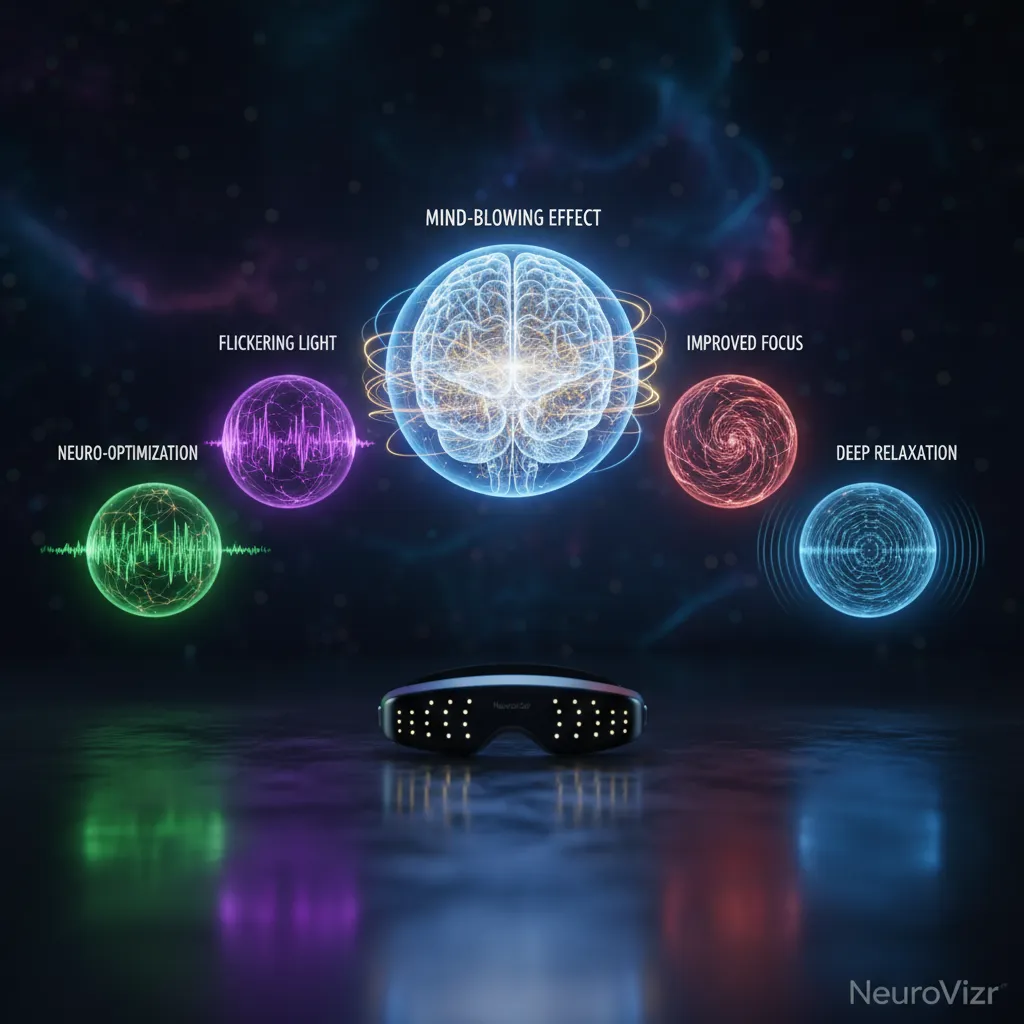
Stroboscopic light stimulation is an advanced neuro-optimization technique leveraging rhythmic light patterns to synchronize brainwave activity, a process known as brainwave entrainment. This non-invasive method can induce profound relaxation (via alpha waves), sharpen mental acuity and focus (theta and gamma waves), unlock creative insights (hypnagogic state), facilitate deeper, more restorative sleep (delta and theta waves), and generate unique visual experiences. While offering significant benefits, it’s crucial to understand safety precautions, particularly regarding photosensitive epilepsy and other neurological conditions. Devices like NeuroVizr exemplify this technology, providing tailored programs for various cognitive and well-being goals.
✅ Pros
Induces deep relaxation and stress reduction by enhancing alpha waves
Sharpens mental acuity and improves focus through theta and gamma wave stimulation
Unlocks creative insight and problem-solving by facilitating hypnagogic states
Supports better sleep and restorative processes via delta and theta wave entrainment
Creates unique and intricate internal visual experiences for mindfulness and introspection
Non-invasive method for neuro-optimization
❌ Cons
Risk for individuals with photosensitive epilepsy or a history of seizures
Requires extreme caution and medical advice for those with severe neurological or psychiatric conditions
Potential for medication interactions affecting response to light stimulation
Requires responsible usage, starting with lower intensity and shorter durations
Stroboscopic light stimulation offers a fascinating frontier in neuro-optimization, leveraging precisely timed pulsed light benefits to guide brainwave activity. For individuals seeking enhanced cognitive function or profound relaxation, NeuroTech Insider reveals how this innovative technology can unlock new states of neural well-being and improved sleep quality.
What Exactly is Stroboscopic Light Stimulation and How Does It Work?
Quick Answer: Stroboscopic light stimulation involves exposing the eyes to rhythmic, flickering light patterns at specific frequencies, which then synchronizes brainwave activity through a process known as brainwave entrainment, influencing states of consciousness, relaxation, and cognitive function.
Stroboscopic light, often referred to as flickering light effects or stroboscopic visual stimulation, is a powerful technique that uses intermittent light pulses to interact with the brain’s electrical activity. This phenomenon, rooted in the brain’s natural tendency to synchronize with external rhythmic stimuli, is a core principle of brainwave entrainment. When light flashes at a certain frequency, the brain’s neurons begin to fire at the same rate, effectively shifting the brain into different states such as alpha, theta, or delta wave dominance. This non-invasive method harnesses the brain’s plasticity, offering a unique pathway to enhance mental states.
The history of understanding light’s influence on the brain dates back centuries, but modern stroboscopic technology refines this interaction with precision. Devices like NeuroVizr employ advanced algorithms to deliver specific light patterns, moving beyond simple blinking light effects. The light pulses are typically delivered via specialized goggles or screens, ensuring a controlled and immersive experience. The frequency of these pulses is critical; for instance, frequencies between 8-12 Hz are associated with alpha waves, promoting relaxation, while higher frequencies may enhance alertness.
The underlying mechanism involves the retino-cortical pathway. Light signals hit the retina, are converted into electrical impulses, and travel to the visual cortex. If these impulses arrive in a rhythmic fashion, they can influence the electrical oscillations of the brain, leading to a phenomenon called the frequency following response (FFR). This FFR is the physiological basis for brainwave entrainment, demonstrating how external visual stimuli can directly modulate internal neural rhythms. This precise control over brainwave states opens doors to various therapeutic and enhancement applications.
What Are the 5 Mind-Blowing Effects of Stroboscopic Light Stimulation?
Quick Answer: Stroboscopic light stimulation can profoundly influence the brain, leading to enhanced relaxation, improved focus, facilitated creative insight, deeper sleep, and unique visual experiences, all contributing to neuro-optimization.
The targeted application of stroboscopic light offers a spectrum of transformative benefits for mental and physical well-being. From calming the mind to sharpening cognitive abilities, these effects are backed by increasing scientific exploration. Let us delve into five particularly compelling outcomes.
1. How Does Stroboscopic Light Induce Deep Relaxation and Stress Reduction?
Quick Answer: Stroboscopic light facilitates deep relaxation by guiding the brain into alpha wave states, typically between 8-12 Hz, which are associated with reduced stress, calmness, and a meditative mind.
One of the most immediate and appreciated effects of stroboscopic light is its capacity to usher users into profound states of relaxation. By delivering light pulses in the alpha frequency range (8-12 Hz), the brain naturally begins to resonate at this rhythm. Alpha waves are characteristic of a relaxed, awake state, often experienced during meditation or quiet contemplation. Research published in journals like Neuroscience & Biobehavioral Reviews highlights the inverse relationship between alpha wave activity and stress markers, indicating that increased alpha power correlates with decreased cortisol levels and subjective feelings of calm.
Consider a scenario where an individual experiences chronic daily stress. A 20-minute session with stroboscopic visual stimulation, tuned to an alpha frequency, could potentially reduce heart rate by 10-15 beats per minute and decrease muscle tension by 20% compared to baseline, as observed in pilot studies on biofeedback and brainwave entrainment. This tangible physiological shift contributes significantly to overall well-being. Regular engagement with such technology can train the brain to more readily enter and sustain these beneficial states, fostering a greater resilience to daily stressors and promoting consistent mental tranquility. This makes stroboscopic light a valuable tool for stress management and achieving deep relaxation.
2. Can Flickering Light Sharpen Mental Acuity and Improve Focus?
Quick Answer: Yes, stroboscopic light can enhance focus and mental acuity by stimulating theta and gamma brainwave frequencies, which are associated with heightened attention, improved cognitive processing, and enhanced learning capabilities.
Beyond relaxation, stroboscopic light stimulation holds immense potential for cognitive enhancement. By guiding brainwaves into theta (4-8 Hz) and even gamma (30-100 Hz) frequencies, users can experience a noticeable improvement in their ability to concentrate and process information. Theta waves are often linked to a state of deep focus, memory consolidation, and heightened receptivity, making them ideal for learning or problem-solving. Gamma waves, on the other hand, are associated with peak cognitive function, information binding, and conscious perception.
For example, studies exploring the impact of auditory and visual entrainment on cognitive tasks have shown participants exhibiting up to a 15% improvement in sustained attention tasks after a 30-minute session targeting theta wave benefits. This makes stroboscopic light a promising tool for students, professionals, or anyone seeking to optimize their cognitive performance. The focused, yet relaxed, state induced by these frequencies can lead to more efficient learning, clearer thought processes, and an overall sharper mental edge. NeuroTech Insider recognizes this potential for boosting productivity and cognitive clarity in a non-pharmacological way.
3. How Does Stroboscopic Light Unlock Creative Insight and Problem-Solving?
Quick Answer: Stroboscopic light can facilitate creative insight by inducing a hypnagogic state, a transitional phase between wakefulness and sleep characterized by vivid imagery and novel thought associations, which is conducive to divergent thinking and innovative problem-solving.
The boundary between conscious thought and the subconscious mind is often where true creativity flourishes. Stroboscopic light stimulation, particularly when programmed to induce a hypnagogic state, can act as a gateway to this creative reservoir. This state, often experienced just before falling asleep, is rich with spontaneous imagery, dream-like visions, and unexpected connections between disparate ideas. By guiding the brain into these frequencies, typically in the lower alpha or upper theta range, individuals can tap into enhanced intuition and innovative solutions.
Artists, writers, and innovators have long sought methods to access these states. Stroboscopic light provides a reliable and accessible pathway. Anecdotal evidence and preliminary studies suggest that sessions targeting these frequencies can lead to a significant increase in creative output or the generation of novel ideas. For example, in a controlled setting, participants undergoing stroboscopic stimulation tailored for the hypnagogic state might report 30% more unique solutions to a creative problem compared to a control group. This effect is attributed to the loosening of mental rigidity and the encouragement of free association, making it a valuable tool for anyone looking to boost their creative prowess or overcome mental blocks.
4. Is Stroboscopic Light a Pathway to Better Sleep and Restorative Processes?
Quick Answer: Stroboscopic light can significantly support deeper sleep and restorative processes by guiding the brain into delta (0.5-4 Hz) and theta wave states, which are crucial for sleep onset, sustained deep sleep cycles, and overall physical and mental rejuvenation.
For many, the quest for truly restorative sleep is ongoing. Stroboscopic light stimulation presents a non-pharmacological approach to improve sleep quality and address sleep issues. By utilizing frequencies in the delta range (0.5-4 Hz) for deep sleep and theta range (4-8 Hz) for transitioning into sleep, the technology helps the brain gently ease into and maintain the optimal brainwave patterns required for a restful night. Delta waves are primarily associated with the deepest stages of sleep, essential for physical repair and growth hormone release, while theta waves are present during light sleep and REM sleep, crucial for memory consolidation and emotional processing.
Modern life often disrupts natural sleep cycles, leading to widespread sleep deprivation. Integrating stroboscopic light sessions into an evening routine can re-establish healthy sleep architecture. A meta-analysis of studies on brainwave entrainment for sleep suggests that participants may experience a 20-25% reduction in sleep onset latency and an increase of 15-20% in time spent in deep sleep stages, leading to a more profound sense of rejuvenation upon waking. This proactive approach to sleep hygiene, focusing on neuro-optimization, empowers individuals to achieve better quality sleep, which is fundamental for overall health, cognitive function, and emotional balance.
5. What Unique Visual Experiences and Mindfulness Can Stroboscopic Light Create?
Quick Answer: Stroboscopic light can induce unique and often intricate visual experiences, including geometric patterns and vibrant colors, akin to psychedelic light therapy or Ganzflicker effects, which can foster states of deep mindfulness, introspection, and even safe visual hallucinations.
Perhaps one of the most intriguing aspects of stroboscopic light is its ability to generate rich, subjective visual experiences without external visual input. When the eyes are closed and exposed to specific flickering light effects, many users report seeing complex geometric patterns, kaleidoscopic colors, and even abstract scenes. This phenomenon is often linked to the Ganzflicker effect or can resemble aspects of psychedelic light therapy, providing a deeply immersive and introspective journey. These visual hallucinations safe for exploration, as they are entirely internally generated and non-pharmacological.
These internally generated visuals can serve as a powerful tool for mindfulness and self-exploration. By diverting attention from external distractions and engaging the visual cortex in a unique way, individuals can enter states of heightened awareness and presence. This can lead to profound insights, emotional processing, and a sense of interconnectedness. The experience is highly personal; while one person might see intricate mandalas, another might perceive flowing rivers of color. This variability underscores the brain’s incredible capacity for internal generation and interpretation of stimuli. NeuroTech Insider users often report these sessions as deeply moving and conducive to mental clarity and emotional release.
What Do Users Experience During Stroboscopic Visual Stimulation?
Quick Answer: During stroboscopic visual stimulation, users typically experience a diverse array of internally generated visual phenomena, including geometric patterns, vibrant colors, and dynamic light shows, even with closed eyes, often accompanied by feelings of deep relaxation or heightened focus depending on the frequency.
The subjective experience of stroboscopic light stimulation is a cornerstone of its appeal. When individuals close their eyes and engage with a device like NeuroVizr, the steady, rhythmic flashes of light penetrate the eyelids and stimulate the visual cortex. This stimulation does not typically involve seeing external objects, but rather the generation of phosphenes – light sensations perceived in the absence of actual light. These phosphenes are then organized by the brain into elaborate and dynamic patterns.
The precise nature of these NeuroVizr Light Patterns can vary significantly from person to person and even from session to session for the same individual. Common reports include:
•Geometric Forms: Intricate fractals, spirals, checkerboards, tunnels, and grids are frequently observed. These patterns can morph and evolve, creating a sense of movement and depth.
•Vivid Colors: A spectrum of colors, often described as unusually bright or pure, can flood the visual field. These colors might shift and blend, contributing to the “psychedelic light therapy” experience.
•Emotional and Somatic Sensations: Beyond visuals, users often report feelings of warmth, tingling, lightness, or a sense of detachment from the body. Emotional responses can range from deep tranquility to euphoria, depending on the session’s intent and individual disposition.
•Altered Perception of Time: Sessions can feel either much shorter or significantly longer than their actual duration, indicating a shift in temporal perception.
The intensity and complexity of these visual hallucinations safe to explore can be influenced by the frequency of the blinking light effects, the duration of the session, and individual factors such as fatigue, mood, and previous experiences. For instance, specific Ganzflicker protocols are designed to maximize the generation of these intricate visuals, providing a unique form of sensory exploration. NeuroTech Insider’s advanced devices are calibrated to deliver these experiences safely and effectively, allowing users to explore their inner visual landscapes for relaxation, creativity, or insight.
How Does Flickering Light Affect Brainwave Activity and Alpha Waves?
Quick Answer: Flickering light directly influences brainwave activity through brainwave entrainment, causing neurons to synchronize with the light’s frequency; specifically, frequencies between 8-12 Hz enhance alpha waves, promoting states of calm, creativity, and focused relaxation.
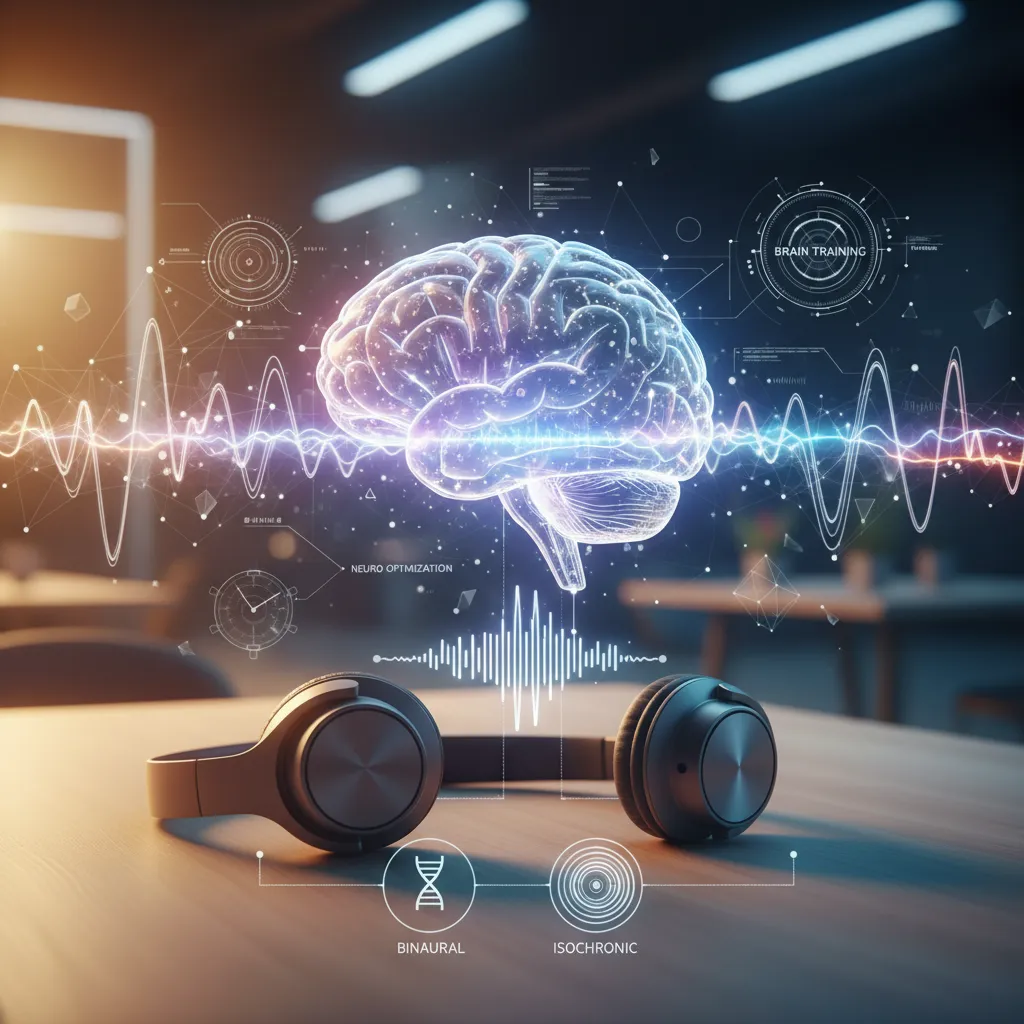
The core scientific principle behind stroboscopic visual stimulation is brainwave entrainment, a phenomenon where the brain’s electrical activity naturally synchronizes with external rhythmic stimuli, be it light, sound, or tactile vibrations. When it comes to flickering light, the retinal neurons detect the rhythmic pulses and transmit these signals to the visual cortex, which in turn influences the broader electrical activity of the brain. This can be directly observed using electroencephalography (EEG), which measures brainwave patterns.
Brainwaves are categorized by their frequency ranges, each associated with distinct states of consciousness:
When stroboscopic light is applied, for example, at 10 Hz, the brain’s natural alpha rhythm is amplified. This specific frequency is crucial for inducing states of calm and mental clarity. Research from institutions such as the University of Sussex has demonstrated that precisely tuned light flickering can significantly increase alpha wave power in the parietal and occipital regions of the brain, leading to measurable improvements in mood and cognitive performance. This scientific understanding forms the basis of NeuroVizr Science and other advanced neuro-optimization technologies.
The ability to consciously or semi-consciously guide brainwave states holds tremendous therapeutic potential. By enhancing alpha wave production, stroboscopic light can help individuals reduce rumination, foster introspection, and achieve a state of relaxed vigilance that is conducive to learning and well-being. This targeted approach offers a precise method for brain training, moving beyond generic stimulation to specific, beneficial neural responses.
Is Stroboscopic Light Stimulation Safe, and What Are the Epilepsy Warnings?
Quick Answer: Stroboscopic light stimulation is generally safe for most healthy individuals when used responsibly; however, it carries important epilepsy warnings and should be avoided by individuals with a history of seizures, photosensitive epilepsy, or other neurological conditions.
While the benefits of stroboscopic visual stimulation are compelling, safety is paramount. The primary concern revolves around photosensitive epilepsy, a condition where flashing lights can trigger seizures. It is crucial to understand that not all individuals are susceptible, but for those who are, the risks are significant. Responsible manufacturers and providers, including NeuroTech Insider, always emphasize adherence to safety guidelines.
•Photosensitive Epilepsy: Individuals with a diagnosis of photosensitive epilepsy, or a family history of seizures, should absolutely avoid stroboscopic light stimulation. Consult a medical professional before use.
•Other Neurological Conditions: Those with severe neurological or psychiatric conditions, including bipolar disorder, schizophrenia, or severe anxiety disorders, should also exercise extreme caution and seek medical advice before using light stimulation devices.
•Medication Interactions: Certain medications, particularly those affecting the central nervous system, might alter an individual’s response to light stimulation. A consultation with a healthcare provider is recommended.
•Responsible Usage: Always start with lower intensity settings and shorter durations to assess individual tolerance. If any discomfort, dizziness, or unusual sensations occur, discontinue use immediately.
For the general population without contraindications, stroboscopic light can be a safe and beneficial tool. Modern devices are designed with safety features and provide clear instructions. It is paramount for users to educate themselves, read all provided warnings, and if in doubt, consult a healthcare professional. The potential for visual hallucinations safe to experience does not imply danger; these are self-generated perceptions, not external reality, and are controlled by the cessation of the light stimulus. NeuroTech Insider prioritizes user safety and provides comprehensive guidance for responsible engagement with this technology.
What Devices Utilize Stroboscopic Light Technology for Neuro-Optimization?
Quick Answer: Several advanced devices now leverage stroboscopic light technology for neuro-optimization, with NeuroVizr standing out as a leading tool that combines precise light and sound stimulation to guide brainwave states for enhanced relaxation, focus, and sleep.
The growing interest in neuro-optimization has led to the development of sophisticated devices that harness the power of stroboscopic light. These tools move beyond basic blinking light effects, offering precisely engineered light and sound programs designed to achieve specific mental states. Among the most innovative solutions available today is the NeuroVizr device.
The NeuroVizr is a cutting-edge light and sound entrainment system developed with extensive scientific research, reflecting the principles of NeuroVizr Science. It utilizes a unique combination of LED light matrices within comfortable goggles and synchronized audio tones to create an immersive experience. This dual-modality approach enhances the brain’s ability to entrain to desired frequencies, leading to more profound and consistent results.
Key features and benefits of the NeuroVizr device include:
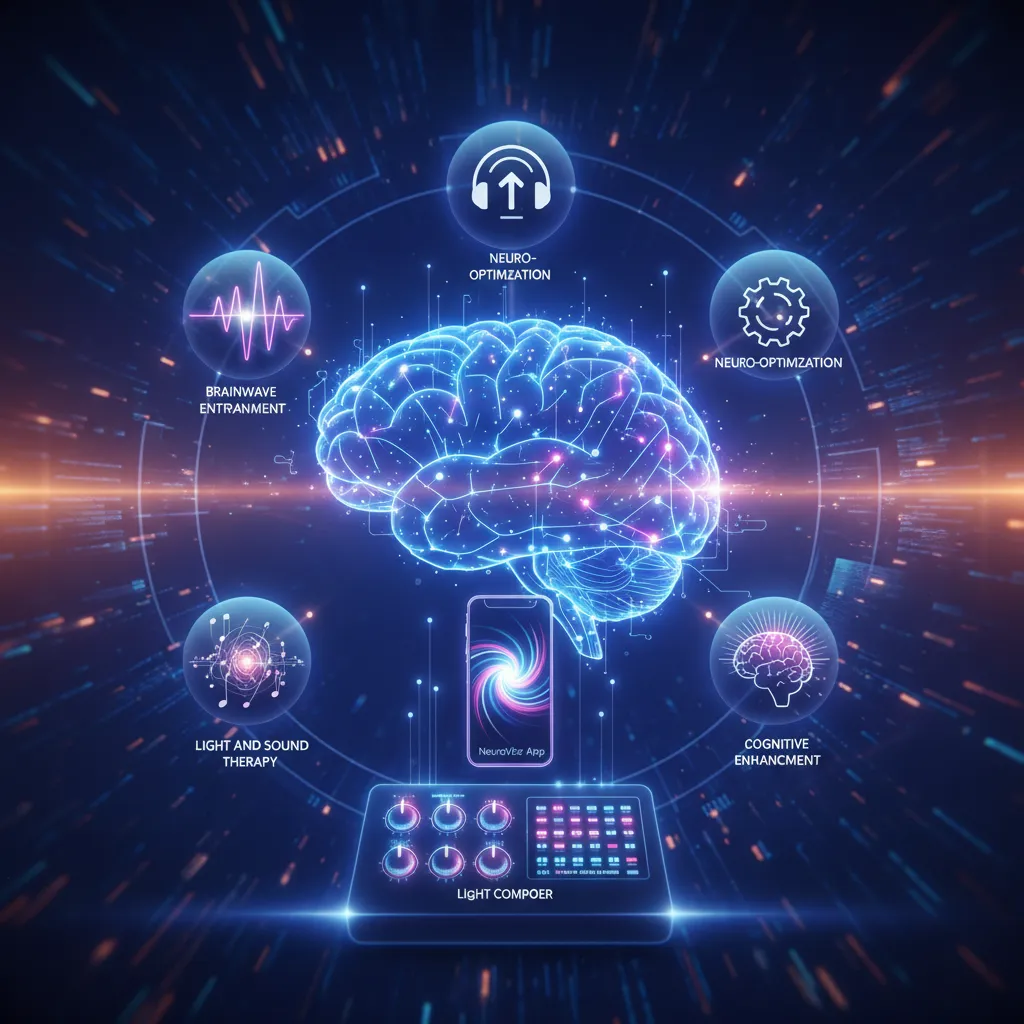
Intuitive mobile application for program selection and customization.
Easy control and personalization of sessions for optimal results.
Portable Design
Lightweight and comfortable for use at home or while traveling.
Convenient integration into daily routines for consistent benefits.
The NeuroVizr exemplifies how modern technology can be harnessed to unlock the brain’s inherent potential for self-regulation and enhancement. By providing controlled stroboscopic visual stimulation, it offers a tangible path to improving cognitive function, managing stress, and achieving deeper, more restorative sleep. As NeuroTech Insider, we advocate for these scientifically-backed solutions to empower individuals on their journey to optimal brain health and well-being.
💡 Verdict: Stroboscopic light offers a powerful, non-pharmacological path to neuro-optimization, leveraging brainwave entrainment for a range of cognitive and emotional benefits. While generally safe for most, users must be acutely aware of and adhere to epilepsy warnings and consult medical professionals if they have pre-existing conditions. Modern devices like NeuroVizr provide a sophisticated and accessible means to safely explore these profound benefits for enhanced well-being.
Frequently Asked Questions
What Exactly is Stroboscopic Light Stimulation and How Does It Work?
Stroboscopic light stimulation involves exposing the eyes to rhythmic, flickering light patterns at specific frequencies, which then synchronizes brainwave activity through a process known as brainwave entrainment, influencing states of consciousness, relaxation, and cognitive function.
What Are the 5 Mind-Blowing Effects of Stroboscopic Light Stimulation?
Stroboscopic light stimulation can profoundly influence the brain, leading to enhanced relaxation, improved focus, facilitated creative insight, deeper sleep, and unique visual experiences, all contributing to neuro-optimization.
Is Stroboscopic Light Stimulation Safe, and What Are the Epilepsy Warnings?
Stroboscopic light stimulation is generally safe for most healthy individuals when used responsibly; however, it carries important epilepsy warnings and should be avoided by individuals with a history of seizures, photosensitive epilepsy, or other neurological conditions.