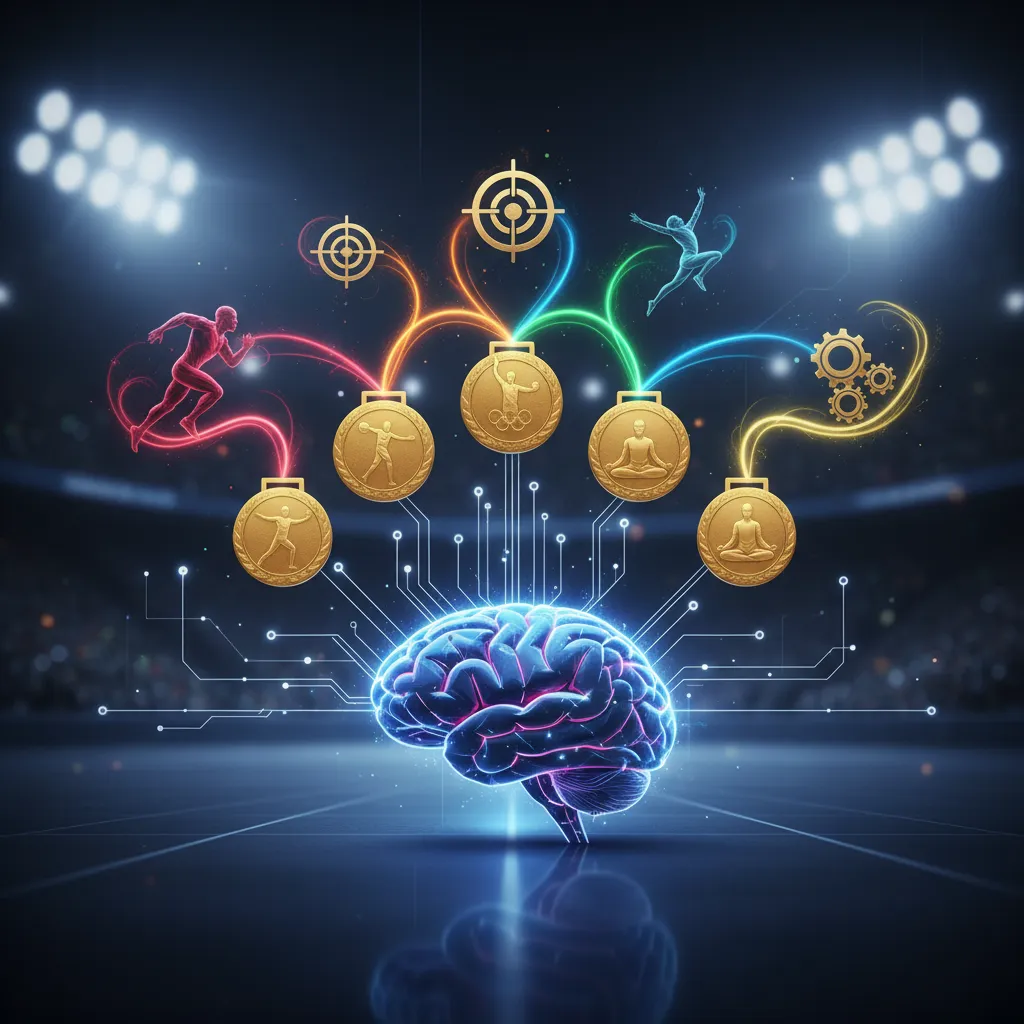
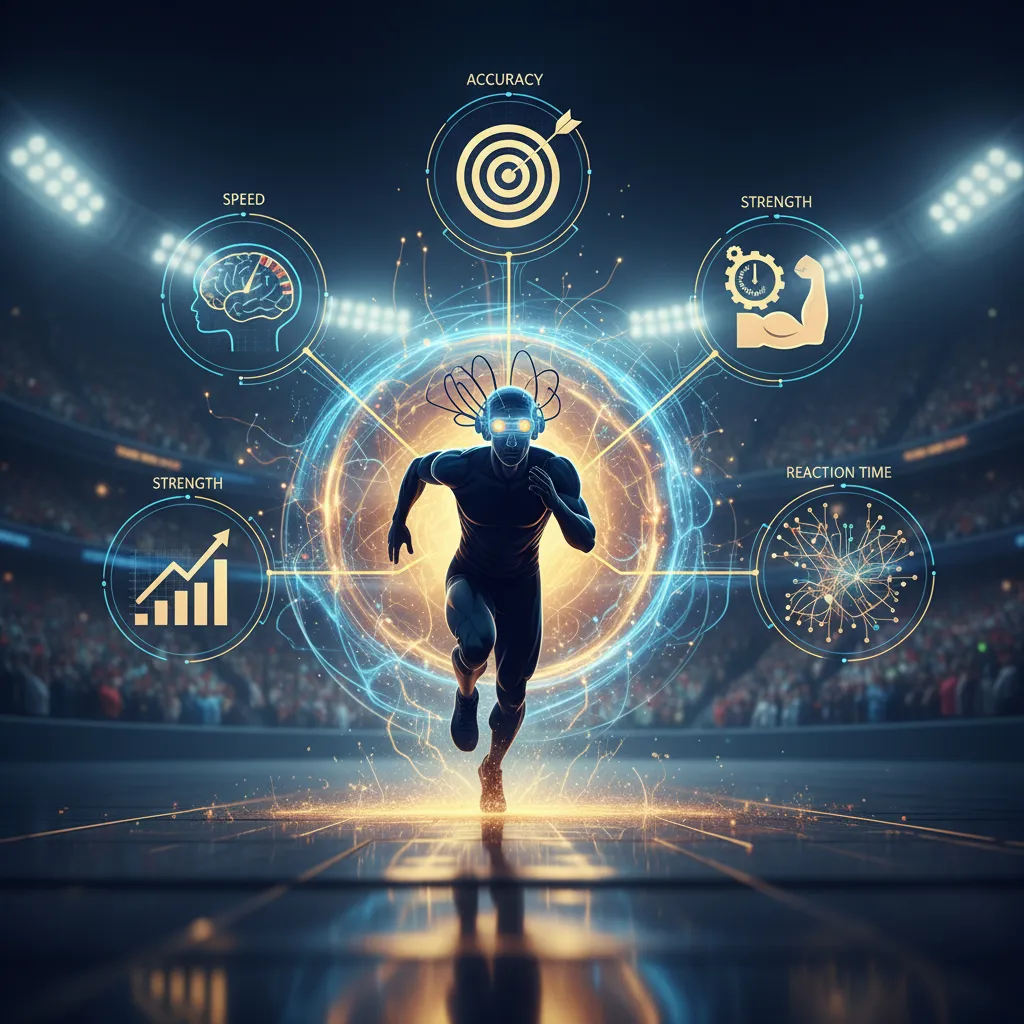
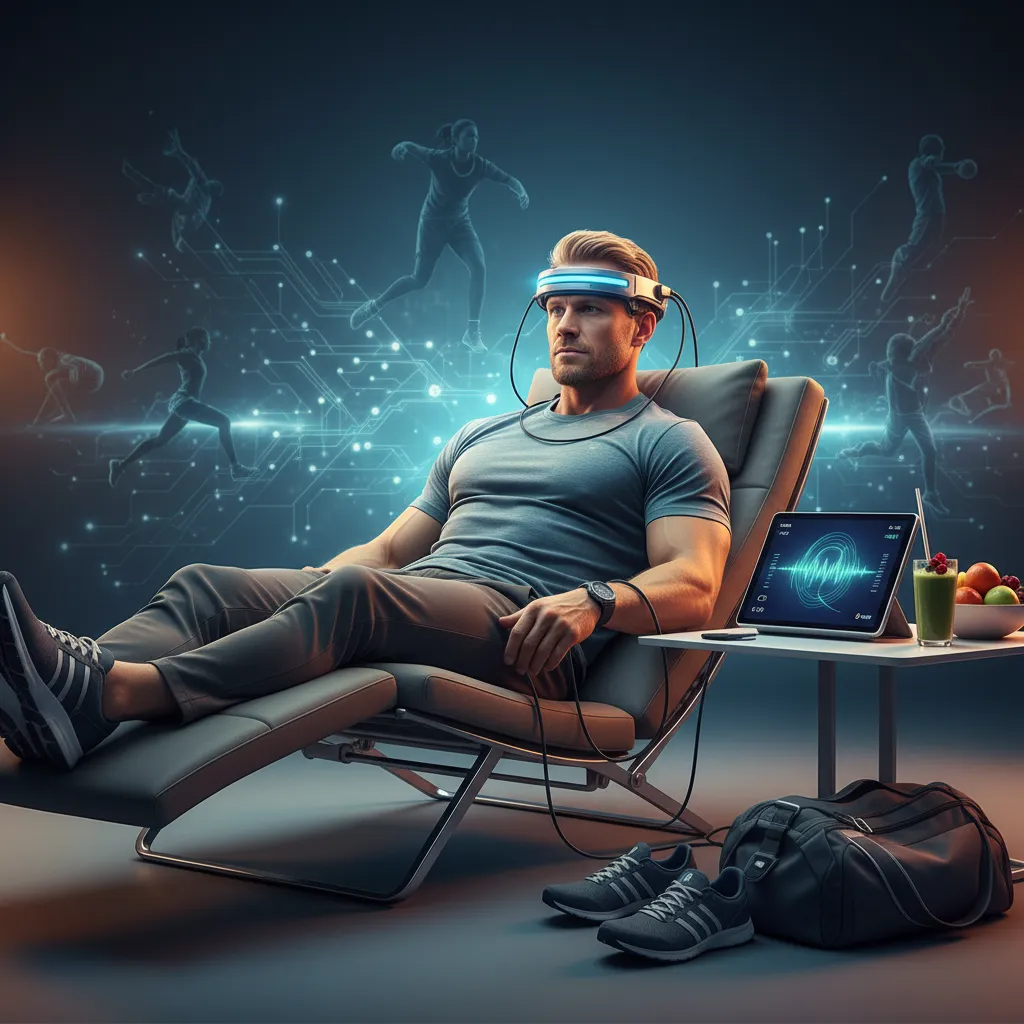
Neurofeedback in sports is a rapidly growing field that helps elite athletes enhance mental performance. By training brainwave activity, it improves focus, reaction time, and emotional control, giving athletes a significant competitive edge. It also shows promise in concussion management. Key benefits include enhanced concentration, quicker responses, better stress management, and improved recovery, leading to peak performance. NeuroTech Insider is at the forefront, offering insights and technologies for neuro-optimization.
✅ Pros
Improved focus and concentration
Faster reaction time
Enhanced stress and anxiety management
Aid in concussion recovery
Significant competitive edge in performance
Optimizes brain function for peak performance
❌ Cons
None recorded
Neurofeedback in sports is rapidly gaining traction as a powerful tool for enhancing athletic performance. NeuroTech Insider is at the forefront, providing insights and technologies that help athletes optimize their brain function for peak performance, from improved focus and reaction time to enhanced emotional control. Unlock your competitive edge with neuro-optimization, mental game strategies, and reaction time training.
How do elite athletes use neurofeedback to win gold?
Quick Answer: Elite athletes are leveraging neurofeedback to enhance focus, improve reaction times, manage stress, accelerate recovery from injury, and gain a competitive edge.
Elite athletes are constantly seeking ways to gain a competitive edge. While physical training, nutrition, and recovery are crucial, mental performance is increasingly recognized as a key differentiator. Neurofeedback, a non-invasive technique that trains the brain to function more efficiently, is emerging as a game-changer in the world of sports. By monitoring brainwave activity and providing real-time feedback, neurofeedback helps athletes optimize their mental state for peak performance. Let’s explore five ways elite athletes are using neurofeedback to achieve gold medal success.
How does neurofeedback improve focus and concentration for athletes?
Quick Answer: Neurofeedback enhances focus by training athletes to increase specific brainwave patterns associated with attention and reduce those linked to distraction.
5 Ways Elite Athletes Use Neurofeedback to Win Gold – Neurofeedback in Sports – 1
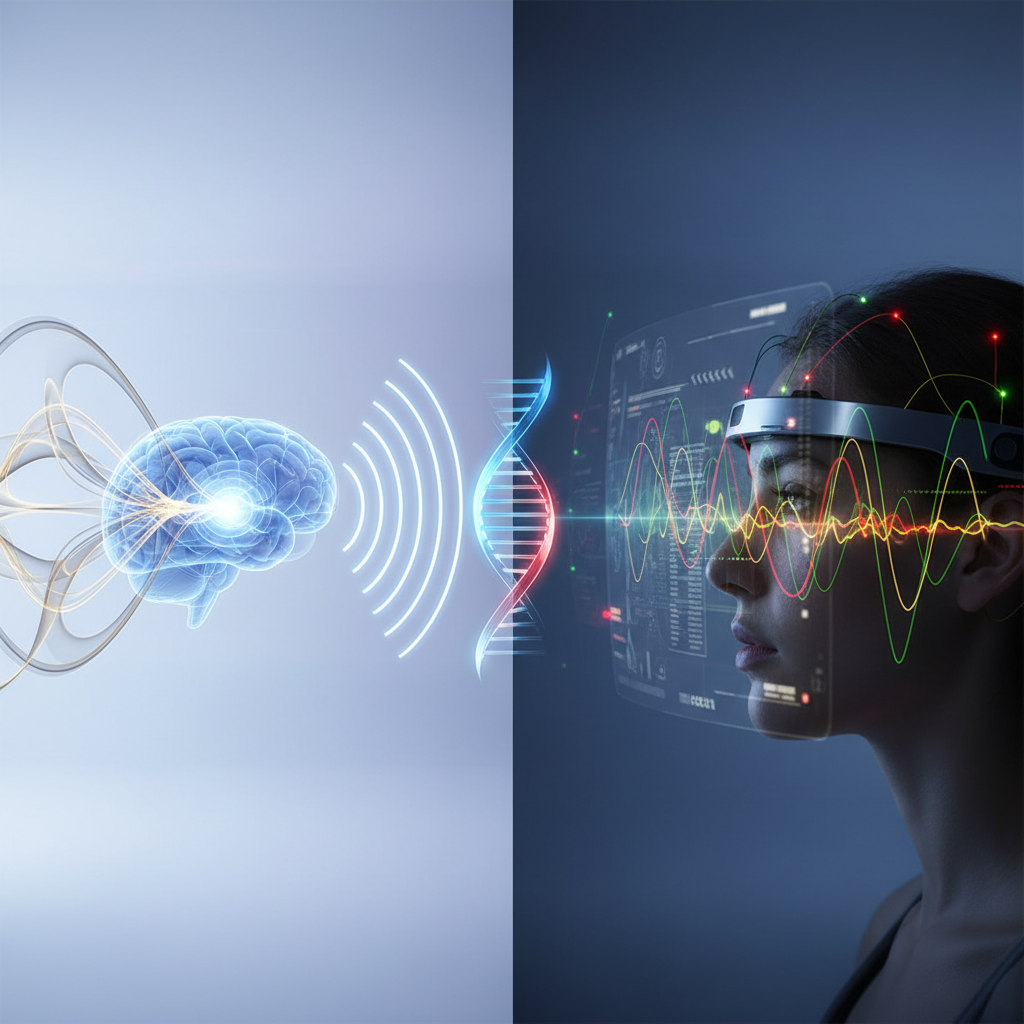
In many sports, maintaining unwavering focus is crucial for success. Whether it’s a golfer lining up a putt, a basketball player shooting a free throw, or a weightlifter preparing for a lift, the ability to block out distractions and concentrate on the task at hand can make all the difference. Neurofeedback helps athletes achieve this by training them to regulate their brainwave activity. For example, increasing alpha and theta brainwaves is often associated with relaxation and mental clarity, while enhancing beta waves can improve alertness and focus. Through repeated neurofeedback sessions, athletes learn to consciously control these brainwave patterns, leading to improved concentration and performance under pressure. This is a key aspect of focus training for athletes.
Imagine a baseball player consistently swinging at pitches outside the strike zone. Traditional coaching might focus on refining their swing mechanics or improving their pitch recognition. However, if the underlying issue is an inability to focus on the pitcher and the ball, neurofeedback can address the root cause. By training the player to enhance their focus and attention, neurofeedback can help them make better decisions at the plate and improve their overall performance.
Can neurofeedback really improve reaction time training for athletes?
Quick Answer: Yes, neurofeedback enhances reaction time by optimizing brainwave activity related to sensory processing and motor control.
5 Ways Elite Athletes Use Neurofeedback to Win Gold – athletic performance – 2
In sports like tennis, boxing, and hockey, split-second reactions can determine the outcome of a game. Neurofeedback can play a crucial role in improving reaction time by optimizing the brain’s ability to process sensory information and initiate motor responses quickly and efficiently. By training athletes to enhance specific brainwave patterns associated with alertness and processing speed, neurofeedback can help them react faster and more accurately to stimuli. This is particularly beneficial in situations where athletes need to make rapid decisions under pressure.
Consider a hockey goalie facing a slapshot. The goalie needs to quickly assess the trajectory of the puck and react accordingly to make the save. Neurofeedback can help the goalie improve their reaction time by training their brain to process visual information more efficiently and initiate the necessary motor responses faster. This can translate to more saves and a lower goals-against average.
How can neurofeedback help athletes manage stress and anxiety?
Quick Answer: Neurofeedback helps athletes regulate their emotional response by training them to increase brainwave patterns associated with relaxation and reduce those linked to anxiety.
5 Ways Elite Athletes Use Neurofeedback to Win Gold – brain training athletes – 3
The pressure to perform at a high level can take a toll on athletes, leading to stress, anxiety, and even burnout. Neurofeedback offers a powerful tool for managing these emotional challenges by helping athletes regulate their brainwave activity and develop greater emotional control. By training athletes to increase alpha and theta brainwaves, which are associated with relaxation and calmness, neurofeedback can help them reduce anxiety and improve their ability to cope with stress. This is an important part of mental game sports training.
Imagine a tennis player facing a crucial match point. The pressure is immense, and the player’s anxiety levels are likely to be high. Neurofeedback can help the player manage their anxiety by training them to shift their brainwave activity towards a more relaxed and focused state. This can help the player stay calm under pressure and perform at their best.
Can neurofeedback be used for concussion management in sports?
Quick Answer: Yes, neurofeedback can aid in concussion recovery by helping to restore normal brainwave patterns and improve cognitive function.
5 Ways Elite Athletes Use Neurofeedback to Win Gold – mental game sports – 4
Concussions are a serious concern in many sports, and proper management is essential for ensuring the long-term health and well-being of athletes. Neurofeedback has emerged as a promising tool for concussion management by helping to restore normal brainwave patterns and improve cognitive function after a head injury. Research suggests that neurofeedback can help reduce symptoms such as headaches, dizziness, and difficulty concentrating, and can also improve memory and attention.
Following a concussion, an athlete might experience persistent headaches and difficulty focusing in school. Neurofeedback can be used to target specific brainwave abnormalities associated with these symptoms. By training the athlete to regulate their brainwave activity, neurofeedback can help alleviate the headaches and improve their concentration, allowing them to return to their studies and sports more quickly and safely.
How does neurofeedback provide a competitive edge in sports training?
Quick Answer: Neurofeedback offers a competitive edge by optimizing brain function for peak performance, enhancing mental resilience, and accelerating learning.
5 Ways Elite Athletes Use Neurofeedback to Win Gold – focus training – 5
In the fiercely competitive world of elite sports, even the smallest advantage can make a significant difference. Neurofeedback provides a unique competitive edge by optimizing brain function for peak performance. By training athletes to improve their focus, reaction time, emotional control, and cognitive flexibility, neurofeedback can help them perform at their best when it matters most. This is why it’s considered the new frontier in training.
Consider two athletes of equal physical ability competing in a track and field event. One athlete has undergone neurofeedback training to enhance their focus and mental resilience, while the other has not. In the pressure-cooker environment of a major competition, the athlete with neurofeedback training is likely to have a significant advantage. Their ability to stay calm, focused, and in control of their emotions can help them perform at their peak and achieve a better result.
The use of neurofeedback is becoming increasingly prevalent among elite athletes. While not all cases are publicly documented, some high-profile athletes have openly discussed their experiences with neurofeedback. One example is Kirk Cousins brain training, where the NFL quarterback has reportedly used neurofeedback to improve his focus and decision-making skills on the field. This illustrates the growing recognition of neurofeedback as a valuable tool for enhancing athletic performance.
5 Ways Elite Athletes Use Neurofeedback to Win Gold – Neurofeedback in Sports – 6
Here’s a table summarizing the benefits of Neurofeedback in Sports:
Benefit
Description
Example
Improved Focus
Enhances concentration and reduces distractions.
Golfer maintaining focus during a putt.
Faster Reaction Time
Optimizes brain’s processing speed for quicker responses.
Tennis player reacting to a serve.
Stress Management
Regulates emotional response and reduces anxiety.
Athlete staying calm during a crucial match.
Concussion Recovery
Restores normal brainwave patterns after a head injury.
Athlete recovering from headaches and concentration issues.
Competitive Edge
Optimizes brain function for peak performance.
Athlete outperforming competitors under pressure.
In conclusion, neurofeedback is a valuable tool for elite athletes seeking to enhance their mental performance and gain a competitive edge. By improving focus, reaction time, emotional control, and cognitive function, neurofeedback can help athletes perform at their best and achieve their goals. As the field of neuroscience continues to advance, we can expect to see even more innovative applications of neurofeedback in the world of sports.
For those interested in learning more about neuro-optimization and enhancing brain function, consider exploring additional resources. For instance, understanding the importance of Neuroplasticity Diet can complement neurofeedback training. Similarly, exploring methods to Improve Memory can further enhance cognitive abilities. If you are looking to Improve White Matter Brain, consider exploring various brain training techniques.
5 Ways Elite Athletes Use Neurofeedback to Win Gold – athletic performance – 7
Light therapy is also an increasingly popular method for brain optimization. For individuals dealing with neurological conditions, research on Parkinson’s Light Therapy and Stroke Recovery Light provides valuable insights. Devices like the Brain Helmet and products covered in the Neuradiant 1070 Review offer innovative approaches to brain health. Understanding the nuances of NIR Light Therapy can further help in making informed decisions about brain optimization techniques.
Don’t miss the chance to revolutionize your sleep and cognitive performance with the latest neuro-technology. Unlock your potential today! Visit NeuroTech Insider to explore cutting-edge resources.
Special Offer: Get an exclusive discount on the NeuroVizr device. Experience the power of light and sound therapy. Get Your Discount Code Here
5 Ways Elite Athletes Use Neurofeedback to Win Gold – brain training athletes – 8
What are the key keywords related to Neurofeedback in Sports?
Quick Answer: Key keywords include “neurofeedback in sports,” “athletes using neurofeedback,” “mental game sports,” “focus training for athletes,” and “reaction time training.”
Understanding the relevant keywords is crucial for optimizing content and reaching the target audience. Here’s a breakdown of key keywords related to neurofeedback in sports:
• Primary Keyword: Neurofeedback in Sports
• Related Keywords: Brain training for athletes, mental performance training, cognitive enhancement for sports
• Long-tail Keywords: How neurofeedback improves athletic performance, neurofeedback for concussion recovery in athletes, best neurofeedback training for sports
• Synonyms: EEG biofeedback for athletes, brainwave training for sports, cognitive training for athletes
• Contextual Keywords: Athletes using neurofeedback, kirk cousins brain training, mental game sports, focus training for athletes, reaction time training
By incorporating these keywords naturally into the content, we can improve its visibility and relevance to users searching for information on neurofeedback in sports.
5 Ways Elite Athletes Use Neurofeedback to Win Gold – mental game sports – 9
💡 Verdict: Neurofeedback stands out as a cutting-edge, non-invasive method for athletes to unlock their full mental potential. By directly training brain function, it offers substantial benefits in focus, reaction, and stress management, solidifying its role as a vital tool for achieving peak athletic performance.
Frequently Asked Questions
How do elite athletes use neurofeedback to win gold?
Elite athletes leverage neurofeedback to enhance focus, improve reaction times, manage stress, accelerate recovery from injury, and gain a competitive edge in their sport.
How does neurofeedback improve focus and concentration for athletes?
Neurofeedback enhances focus by training athletes to increase specific brainwave patterns associated with attention and reduce those linked to distraction, allowing for better concentration under pressure.
Can neurofeedback really improve reaction time training for athletes?
Yes, neurofeedback significantly enhances reaction time by optimizing brainwave activity related to sensory processing and motor control, enabling quicker and more accurate responses to stimuli.